A commercial building can look perfectly maintained from the outside while still having a few problems that make everyday life difficult for the people who use it. Perhaps the entrance becomes slippery when it rains, a staircase has a loose handrail, or deliveries regularly block an important walkway. These might seem like relatively small issues, but they’re worth taking seriously.
For businesses across Swindon and beyond, keeping premises safe isn’t just about meeting legal responsibilities. It’s also about creating a space where employees, customers, contractors, and visitors can move around comfortably without facing unnecessary risks.
Table of Contents
Start With the Areas People Use Most
Entrances, corridors, and staircases see plenty of daily foot traffic, making them sensible places to start when reviewing building safety. Flooring can wear down, lighting may deteriorate, and temporary storage arrangements can become permanent obstacles.
Something as simple as a poorly positioned delivery can make a corridor difficult to navigate, particularly for wheelchair users or people carrying equipment. Regular inspections help identify these problems, but it’s equally important to act when someone raises a concern.
Building managers should also pay attention to outdoor access routes. Uneven paving, damaged steps, and inadequate lighting can make entering or leaving a property more difficult, especially during the darker winter months.
Don’t Underestimate the Importance of Handrails
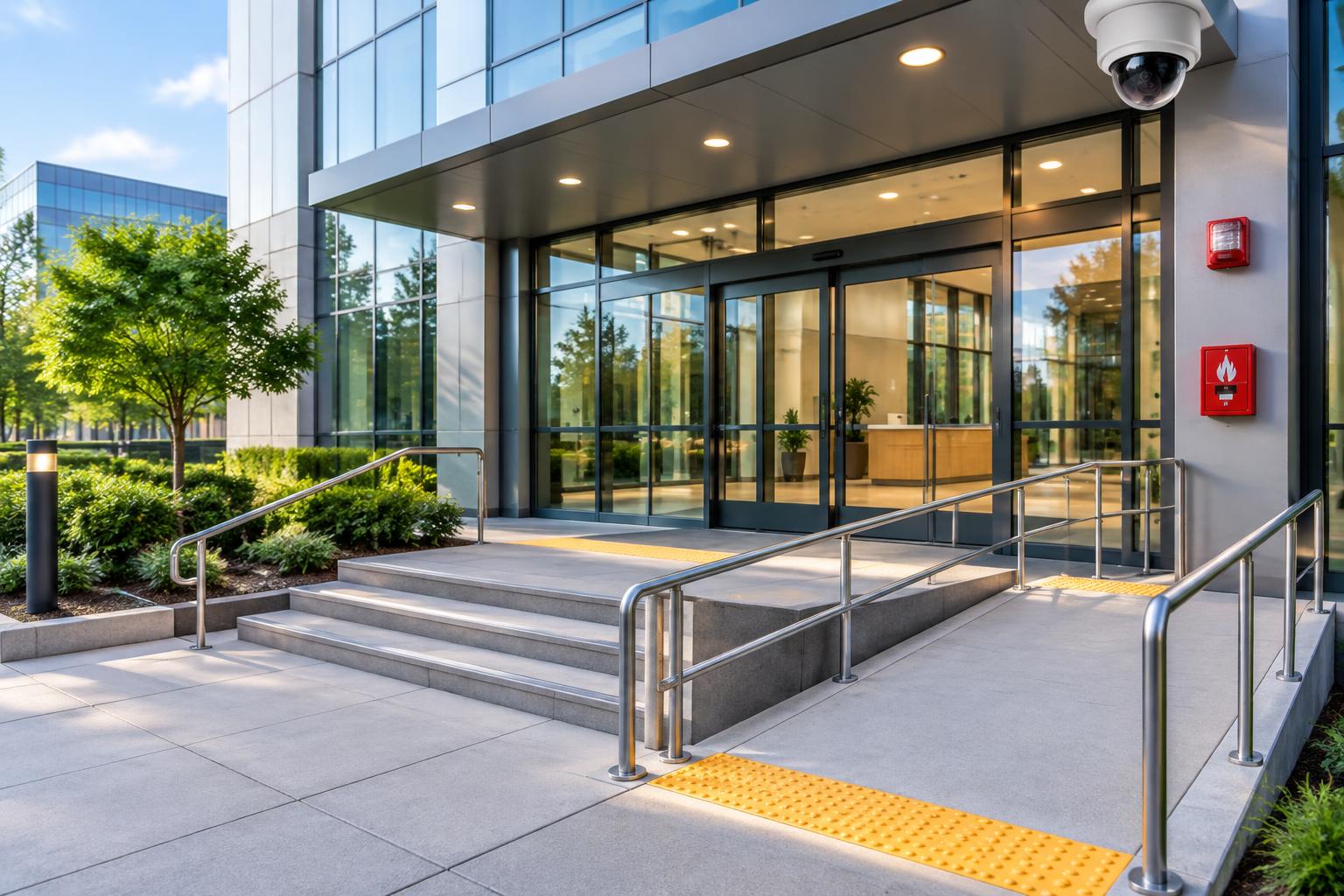
Handrails and safety barriers are easy to overlook until they’re missing or damaged. Yet they provide important support around staircases, ramps and raised walkways, particularly in busy industrial and commercial environments.
For businesses upgrading their premises, Kee Klamp handrails from Kee Safety offer a modular railing solution that can be adapted to different layouts. The system uses galvanised steel fittings and tubing, allowing suitable barriers to be constructed without traditional welding.
However, choosing a product is only one part of the process. Any handrail installation needs to be designed for its intended use, with relevant building regulations, accessibility requirements, and maintenance needs in mind.
A well-designed access route should work for everyone, not simply those who find stairs and uneven surfaces easy to manage.
Make Safety Part of Routine Maintenance
It’s tempting to put off minor repairs when a building is busy, and everything appears to be functioning normally. Unfortunately, small maintenance problems have a habit of becoming more expensive when they’re ignored.
A damaged step might worsen over time, while a loose fitting could eventually make an otherwise secure barrier unreliable. Scheduling regular checks helps businesses identify these issues before they cause accidents or disrupt operations.
Employees can be particularly helpful here because they notice changes in their working environment. Giving them a straightforward way to report problems means building managers don’t have to rely entirely on scheduled inspections.
Think About Everyone Entering the Building
Different people use commercial premises in different ways. An employee who knows the layout well may barely notice a confusing entrance, while a first-time visitor could struggle to find the correct route.
Clear signage, accessible entrances, and unobstructed walkways all contribute to a safer, more welcoming environment. Businesses should also look at how visitors and contractors access restricted areas, especially where machinery or maintenance work is involved.
Making commercial buildings safer doesn’t always require a major refurbishment. Often, the biggest improvements come from noticing everyday problems, dealing with repairs promptly, and thinking about how people actually use the space. Those practical decisions can make a meaningful difference to everyone who walks through the door.