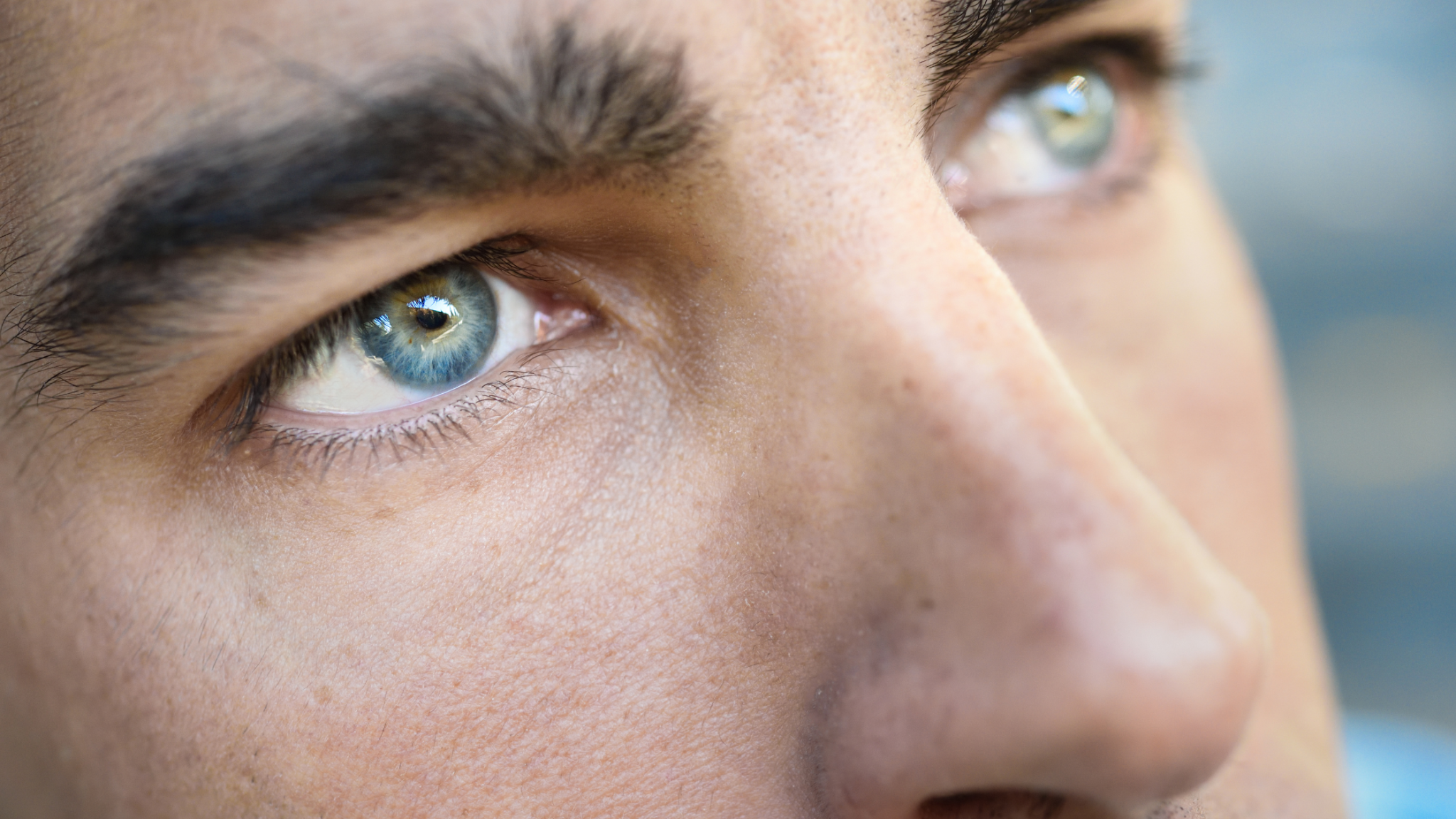
Artificial intelligence has made creative editing more accessible than ever. Tasks that once required professional software and advanced editing skills can now be completed in seconds using AI-powered tools. One of the most popular features among content creators and casual users alike is the ability to change eye color with remarkable realism.
Whether someone wants to experiment with a new look, create engaging social media content, or visualize a different appearance before a photoshoot, AI eye color filters offer a simple and effective solution. As computer vision technology continues to improve, these filters are becoming increasingly realistic and versatile.
Table of Contents
The Evolution of AI Image Editing
Photo editing has evolved significantly over the past decade. Early editing apps relied heavily on manual adjustments, requiring users to carefully select areas, apply color changes, and refine edges.
Today’s AI-powered editors take a completely different approach. Advanced algorithms can automatically identify facial landmarks, distinguish between the iris and surrounding features, and apply realistic color adjustments while preserving natural lighting and detail.
This automation allows anyone to create polished edits with minimal effort.
Why Eye Color Filters Have Become So Popular
Eye color is one of the most noticeable facial features, making it a popular choice for digital transformations. Changing eye color virtually gives users the freedom to explore different styles without the permanence of cosmetic lenses or photo manipulation techniques.
People commonly use eye color filters to:
- Preview different looks before a photoshoot
- Create eye-catching social media content
- Develop fictional or fantasy characters
- Enhance portraits for creative projects
- Experiment with personal style
Because the process is entirely digital, users can compare multiple options in just a few moments.
Realistic AI Makes the Difference
The success of an eye color filter depends on how naturally it blends with the original image. Poor-quality filters often produce flat colors that appear artificial or cover important details within the eye.
Modern AI systems analyze multiple visual elements before applying adjustments, including:
- Iris texture
- Reflections and highlights
- Pupil boundaries
- Lighting direction
- Facial shadows
- Image resolution
These details help create edits that look authentic rather than heavily processed.
For users interested in creating convincing portrait transformations, an advanced blue eyes filter can produce realistic results while maintaining the natural depth and detail of the original photograph.
Benefits for Content Creators
Creators on social media platforms constantly look for fresh ways to make their content stand out. Appearance filters provide an easy way to introduce visual variety without requiring expensive equipment or lengthy editing sessions.
Eye color effects can be used for:
- Beauty tutorials
- Before-and-after comparisons
- Character transformations
- Fashion campaigns
- Short-form videos
- Lifestyle content
Combined with other AI editing features, these effects help creators produce engaging visuals in less time.
AI Is Making Portrait Editing Easier
Modern portrait editing tools often combine multiple AI capabilities into a single workflow. Instead of switching between different applications, users can complete various enhancements within one editing session.
Common AI-powered portrait features include:
- Skin smoothing
- Hair color changes
- Background replacement
- Facial lighting adjustments
- Makeup simulation
- Eye color editing
This integrated approach simplifies editing while producing consistent results.
How Computer Vision Improves Accuracy
Behind every realistic eye color transformation is sophisticated computer vision technology. AI models are trained to recognize facial anatomy and understand where edits should—and should not—be applied.
Rather than simply adding a colored overlay, the software identifies the iris, preserves reflections, and adapts the color based on the lighting conditions within the image.
This process creates transformations that remain believable even in high-resolution portraits.
Mobile Editing Continues to Improve
Powerful smartphones now support advanced AI processing that was once limited to desktop computers. As a result, creators can edit professional-looking photos and videos directly from their mobile devices.
Many modern editing platforms now include:
- AI portrait enhancement
- Object removal
- Background editing
- Style filters
- Facial feature adjustments
- Color grading
These capabilities have made high-quality editing available to a much broader audience.
Choosing an Effective Eye Color Filter
Not every editing tool delivers the same quality. When selecting an AI eye color feature, it’s helpful to look for several characteristics.
A reliable editor should provide:
- Accurate iris detection
- Natural-looking color transitions
- High-resolution exports
- Adjustable color intensity
- Consistent lighting preservation
- Fast processing
These features contribute to edits that appear realistic rather than overly edited.
Creative Applications Beyond Selfies
Eye color filters are useful for much more than personal portraits. Designers, marketers, and digital artists regularly incorporate them into professional creative work.
Examples include:
- Character design
- Advertising visuals
- Fashion photography
- Digital illustrations
- Promotional campaigns
- Entertainment graphics
The flexibility of AI editing allows creators across different industries to experiment quickly without extensive manual retouching.
Looking Ahead
Artificial intelligence continues to redefine what’s possible in digital editing. As machine learning models become more advanced, appearance filters will offer even greater realism, faster performance, and more personalized editing options.
Future developments may include real-time video eye color adjustments, improved lighting adaptation, and even more accurate facial recognition that maintains consistency across multiple frames in video projects.
These innovations will continue making professional-quality editing accessible to creators of all skill levels.
Conclusion
AI eye color filters demonstrate how advanced technology can simplify creative expression while producing impressive visual results. From casual experimentation to professional content creation, these tools help users transform portraits quickly and naturally.
As AI editing continues to evolve, realistic appearance enhancements—including eye color transformations—will become even more seamless, giving creators new ways to produce engaging, high-quality visual content without complex editing techniques.