Table of Contents
Key Takeaways
- Outdoor adventure is growing rapidly, increasing demand for high-quality, reliable safety gear.
- Lightweight yet durable materials enhance mobility while maintaining strength and performance.
- Smart textiles and wearable technology provide adaptive protection and real-time safety monitoring.
- Integrated tools like GPS, communication devices, and solar charging improve preparedness and efficiency.
- Eco-friendly innovations promote sustainability without compromising gear performance.
- Modular gear systems offer flexibility, allowing users to customize equipment for different environments.
- Advancements in footwear improve stability, comfort, and injury prevention on challenging terrain.
- Community education and training initiatives empower adventurers to use gear effectively and stay safe.
Outdoor adventure is booming as more people seek exciting experiences in nature. With this surge in interest, the need for quality safety gear has never been greater. Outdoor enthusiasts depend on equipment that ensures their safety while meeting the demand for lightweight, high-performing products. Recent innovations have set a new standard for outdoor gear, blending advanced technology and thoughtful design for both protection and convenience. Many gear options, such as a reliable military tactical sling bag, are now engineered to deliver utmost versatility in challenging environments. The evolution of outdoor safety gear now goes beyond function. Designers are integrating features that keep adventurers protected, connected, and eco-conscious, all without sacrificing comfort. From smart textiles to modular systems, the latest gear adapts to varying terrains and weather conditions, empowering users to push boundaries with confidence.
Lightweight Materials Enhancing Durability
Contemporary outdoor gear relies heavily on materials that are both lightweight and robust. Modern backpacks and shelters frequently incorporate Dyneema® composites, a fiber known for its extraordinary strength and low weight. This innovation allows adventurers to travel farther and more efficiently, reducing fatigue while strengthening gear durability. Ripstop nylon is another popular material, prized for its ability to prevent tears even under tough use, making it ideal for hikers, climbers, and campers who value reliability and minimalism. Recent advancements in materials science have also led to the development of abrasion-resistant coatings and waterproof laminates, enhancing the longevity of critical outdoor gear. Improvements in zippers, closures, and stitching techniques further bolster product reliability, ensuring that equipment withstands the rigors of rugged expeditions. As gear becomes both lighter and tougher, outdoor enthusiasts benefit from greater mobility and enhanced safety, enabling them to reach more remote and demanding locations.
Smart Textiles for Adaptive Protection
Smart textiles are transforming the way outdoor apparel responds to the environment. Clothing embedded with phase change materials can automatically regulate body temperature by absorbing, storing, or releasing heat as needed. This adaptive response keeps wearers comfortable in both cold and warm conditions. Additionally, integrating conductive threads enables apparel to feature heating elements and health sensors without sacrificing flexibility, enhancing safety for users venturing into unpredictable climates. Further, certain garments now integrate UV sensors to alert wearers of excessive sun exposure, promoting skin health on prolonged treks. Moisture-wicking technologies incorporated into base layers help manage perspiration, keeping outdoor enthusiasts dry and reducing the risk of chafing or hypothermia. With these adaptive features, smart textiles play a key role in maximizing both safety and overall comfort across varied weather conditions and altitudes.
Integrated Safety Tools in Gear
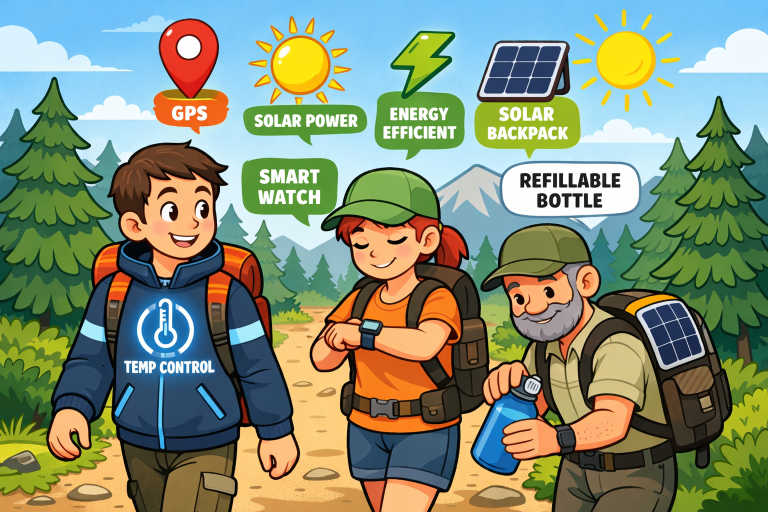
Built-in safety tools are changing how outdoor enthusiasts pack and prepare for expeditions. Many new backpacks now include integrated GPS beacons and emergency communication devices. These embedded features streamline the adventurer’s gear list and ensure quick access to vital tools in emergencies. For example, a single piece of equipment may provide both navigation assistance and the capacity to alert search and rescue if needed, helping explorers stay safe even off the grid. Additional integrated features, such as water-purification filters and solar-powered charging ports, further expand the utility of safety gear. By equipping backpacks and wearable devices with these elements, adventurers can rely less on carrying dedicated tools, making travel lighter and more efficient. The result is a safer, more confident experience in areas where traditional infrastructure and help are far away.
Eco-Friendly Innovations
Sustainability is at the forefront of modern outdoor gear design. Brands are increasingly using recycled materials to construct durable products such as tents and jackets. Some companies use plastics sourced from the ocean or landfill waste, significantly reducing their environmental footprint. Eco-friendly manufacturing processes not only conserve resources but also help maintain the high performance standards that serious adventurers require. Beyond materials, many brands have adopted repair and recycling initiatives designed to extend the life of outdoor products. Programs offering easy repair kits or take-back incentives keep equipment out of landfills and encourage responsible consumer habits. By fostering a culture of sustainability, manufacturers aim to protect the wild landscapes their gear is designed for, ensuring that future generations can safely explore them.
Wearable Technology for Enhanced Safety
Wearable safety devices are indispensable for today’s outdoor explorers. Modern GPS watches offer offline maps, real-time health monitoring, and integrated SOS alerts, allowing users to navigate unfamiliar terrain and summon help when necessary. These convenient, all-in-one devices not only support navigation but also help monitor exertion and well-being throughout demanding activities.
The newest generation of wearables goes a step further by syncing with phones and cloud services, providing instant trip data backup, and even enabling loved ones to track progress remotely in real time. Altimeters, barometers, and digital compasses bundled into a single smartwatch have replaced bulky traditional tools, making reliable navigation and safety checks easier and more accessible during critical moments on the trail.
Modular Gear Systems
Modularity is a defining characteristic of the latest outdoor gear systems. Products such as jackets that convert into sleeping bags or backpacks with detachable storage pouches let adventurers personalize their gear. This modularity reduces the gear required for different activities, making it ideal for those who need to adapt quickly to diverse environments or travel with minimal baggage.
With expanding accessory options, users can customize their setup for multi-day treks, quick hikes, or urban forays, optimizing their pack for weight or functionality as circumstances demand. Recent innovations include snap-on weather shields for existing packs and modular hydration components, all designed to enhance flexibility and ensure a tailored outdoor experience.
Advancements in Footwear Safety
Footwear innovation is advancing rapidly to better support outdoor activity and minimize injury risk. Modern boots incorporate materials that provide waterproofing and breathability, as well as soles with superior grip for slippery or uneven surfaces. Some footwear now includes self-adjusting ankle support to enhance stability without limiting mobility, ensuring comfort and safety during long treks and challenging climbs. Antimicrobial linings and quick-dry materials further boost foot health, particularly in wet or humid environments. Precision-fit technologies, such as heat-moldable insoles and adjustable lacing systems, offer highly personalized support, allowing users to respond dynamically to swelling or fatigue during long journeys. Collectively, these design advances are setting new benchmarks for the safety and performance of outdoor footwear.
Community Engagement and Education
In addition to developing advanced gear, companies are prioritizing community safety education. Brands collaborate with outdoor organizations and host workshops that teach users how to maximize their gear’s potential and stay safe in the wild. Free online resources and local events further strengthen the outdoor community’s ability to manage risk and make knowledgeable choices, supporting both novice and experienced adventurers. Mentorship programs, interactive safety webinars, and partnerships with first responders are empowering users to better prepare for wilderness challenges. By raising skill levels and fostering a shared safety culture, the entire outdoor ecosystem becomes more resilient, making every adventure safer and more enjoyable.
Innovative approaches to outdoor safety gear are empowering enthusiasts to explore further, safer, and more sustainably. Through the fusion of technology, advanced materials, and community engagement, modern gear is not only a tool but also a partner in every outdoor adventure.