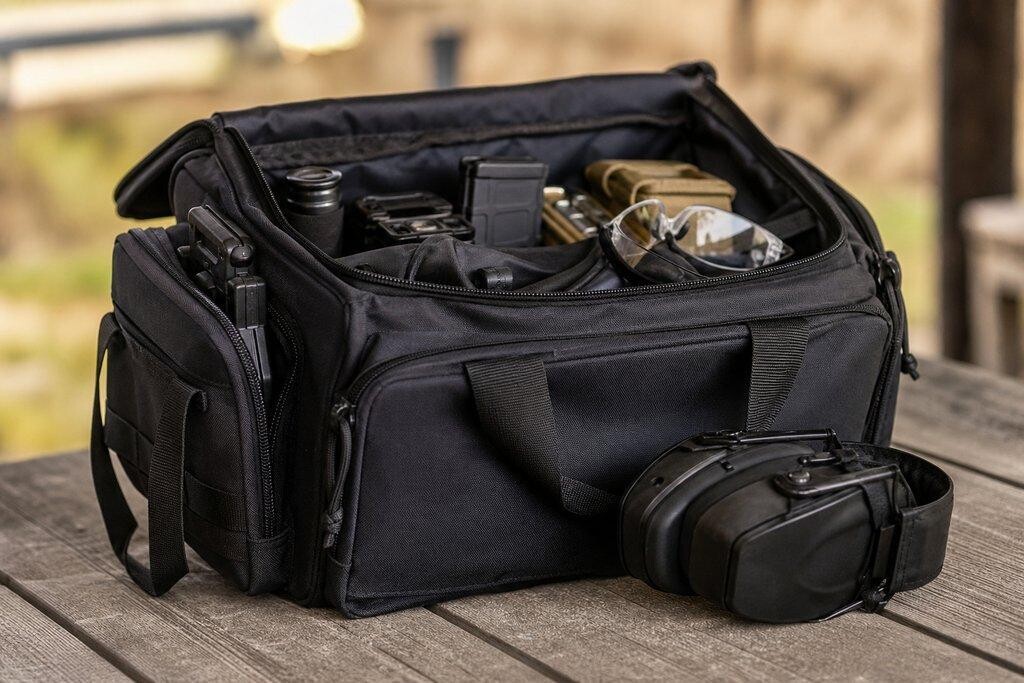
A trip to the range on a weekend doesn’t always go smoothly from the moment you open your bag. Maybe you grab a box of ammo, pull up, and realize you brought the wrong caliber, forgot your ear protection, or only had one box of ammo left.
The trick is to reset your firearm supplies before leaving the house to avoid these minor inconveniences.
And don’t go crazy and over pack your firearm gear. Instead, make one plan for your actual range day and bring what you actually need to accomplish that plan, whether you’re doing slow pistol drills, checking your rifle zero or maybe a mix of both.
Table of Contents
Know what you will actually shoot
Make a list of which firearms you’ll bring to the range and what caliber they are. Double-check what type of ammo you have in stock or if you’ll need to make a run to the store. Don’t assume that all ammo that looks alike is compatible.
Say you want to do some 9mm pistol practice. Check how much ammo you still have from your previous trip. Or maybe you want to check your zero for a .223 rifle. Make sure you bring the right ammo for the gun and make sure it’s the kind that will let you adjust sights the way you need.
A mix of partial boxes might be fine for some situations, but having different ammo types makes it harder to see what changes in your grouping.
Write a quick note for your range day to help you remember what to bring:
- The gun you are bringing
- The proper caliber/gauge
- The drills or checks you want to perform
- Magazines, magazine loaders, targets, cleaning supplies, etc.
It’s usually easier to take a few minutes to write this list rather than dig through your range bag when you’re trying to get ready.
Don’t plan for an imaginary marathon
Think about how you want to spend your range day. Are you doing slow controlled pairs, working on your draw from your holster, confirming your rifle zero or just getting more familiar with your gun? All of those different scenarios require different quantities of ammo.
Bring enough ammo that you can comfortably complete your drills without counting your rounds, but don’t bring so much that you feel pressured to shoot them quickly. If you need to check inventory, the current listing is at www.AmmoMan.com before you head out.
An easy way to get started is to determine how many rounds per magazine you want to fire for each drill. Then add extra rounds in case you need to repeat a drill or have a malfunction.
Once again, rushing through your prep is where things fall apart.
Before you run to the store, double check everything you’ll need for your range day. Do you have enough targets? What about a stapler or clips to hold your targets together? Do you have your chamber flag and cleaning cloth? Is your optic zeroed?
What else needs checking?
If you are adjusting your optic, make sure you have the correct tools to make the adjustment.
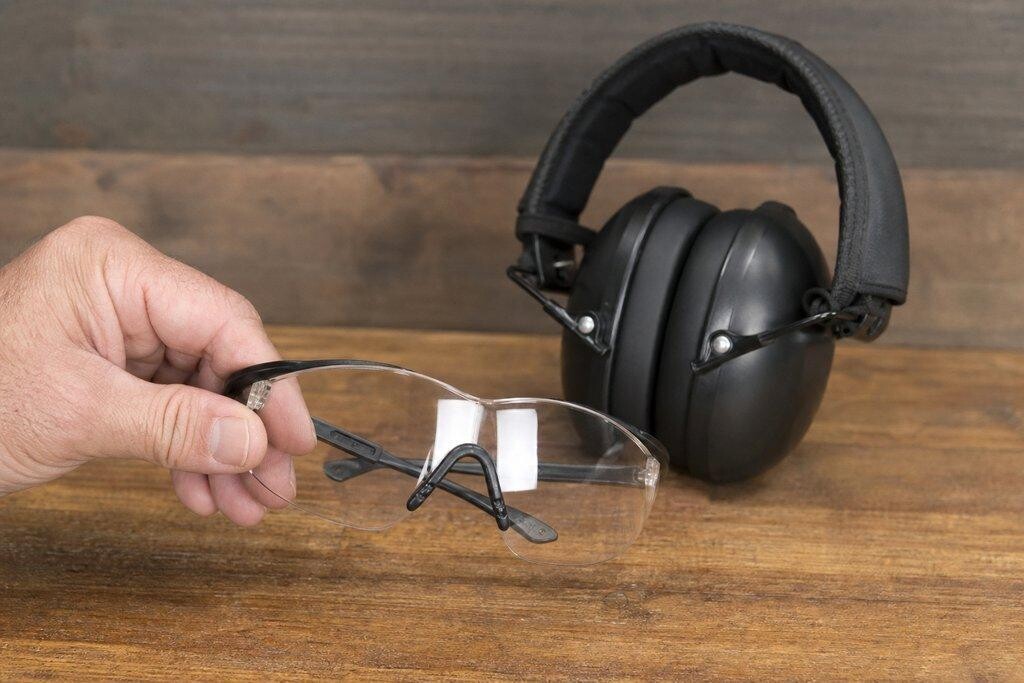
Protective eyewear and ear protection should always be part of your range day checklist before you head to the store for more ammo. You should always have quality ear protection in your range bag and should periodically inspect it for broken ear cups or worn seals.
If you plan to bring guests to the range, make sure they have their own hearing and eye protection. Make sure you choose comfort over cost and make sure your hearing and eye protection fit you properly. You don’t want to reach for your earplugs during the middle of a drill because your earmuffs are uncomfortable.
Don’t forget to plan ahead and think about how you’ll dispose of empty cases, unload your firearms, and put away any unused ammo once you get back home. Don’t leave empty brass or live rounds in your car or bench or in a bag with other loose equipment.
Store your ammo safely and out of reach of children and pets and in a dry environment. Follow your local laws regarding the transportation of your firearms and ammunition and make sure your range bag is organized enough to easily identify what’s been packed.
By doing this, you’ve already laid the groundwork for your next range session. You know exactly how much ammo you had left, and you can quickly restock anything you ran low on.
Resetting your firearm supplies before your next range session is really about making the experience smoother.
Know what gun you are going to shoot and the corresponding ammo. Have a plan for what you want to do at the range. Make sure you have functional ear and eye protection. And plan for how you will clean up and dispose of the brass once you return home.
Before your next range session, open your range bag and make a list of what you need.