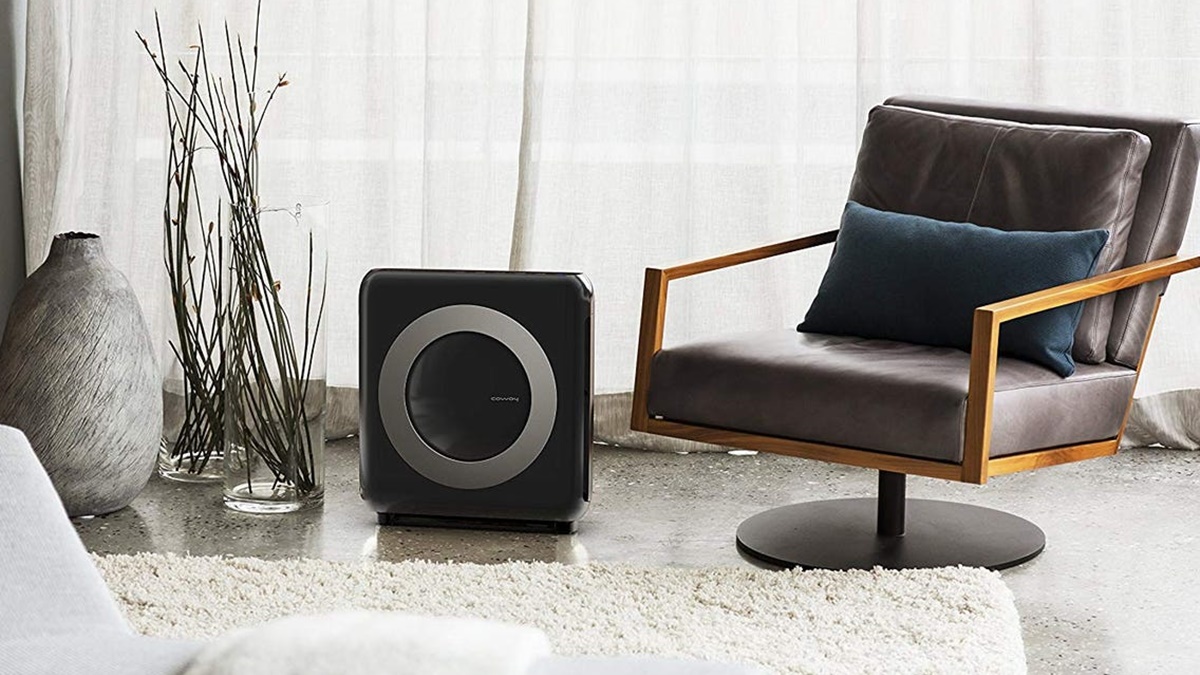
If there’s one thing that’s absolutely crucial to maximizing your enjoyment of the time spent in your home, it’s ensuring that the air quality within your residence is as good as it can be. With many people currently spending more time in their homes than ever in an attempt to minimize unnecessary contact with others due to the ongoing COVID-19 pandemic, that’s especially true right now.
If you’re stuck in your home breathing stagnant, low-quality air all day, it’s going to affect your health in a variety of different ways. You’ll experience poor sleep quality and will find it difficult to concentrate while performing complex tasks. Poor air quality can also aggravate symptoms of allergies and asthma. Even if you don’t experience severe problems such as those, however, having poor air quality in your home will certainly mean that your environment won’t smell very good – and that’ll ensure that any time spent in your home won’t be nearly as pleasant as it could be.
Thankfully, technology has devised some fairly brilliant solutions for the problem of poor indoor air quality, and some of those solutions are both extremely effective and surprisingly affordable to implement. So, what are some of the most important technological advancements in indoor air quality over the past few years? Let’s explore them.
Table of Contents
Vaping
If you’re a smoker, there is nothing you can do that will improve the air quality in your home more dramatically than quitting. Cigarette smoking isn’t just harmful to you personally, and it doesn’t just make your home smell foul; it’s also harmful to the health of your family members and pets. If you’ve tried to quit and couldn’t manage to do it, your next best option is a vape kit from a company like V2 Cigs UK. E-cigarette vapor leaves no lingering odor in your home. It also contains no tar and won’t stain your walls or furniture. Most importantly, switching from smoking to vaping can bring about a dramatic improvement in indoor air quality. If you’re a smoker who hasn’t quit or switched to vaping yet, there’s little reason to spend a fortune on air cleaning technologies because the primary source of air pollution in your home will still exist. Nothing else will make a dramatic difference until you take care of that problem.
Air Filter
A good air filter is a rather costly investment, but it can markedly improve indoor air quality while also reducing airborne contaminants that can trigger allergies and asthma. Also, while the best air filters can cost upwards of $1,000, it’s important to remember that the only moving part in a typical air filter is a single fan that circulates air through the unit. The fan can conceivably last decades, and during that time, all that you need to worry about is replacing the filter media periodically.
A good air filter typically has three stages. You can replace the filter stages separately, and each stage generally lasts about 3-12 months depending on its design.
- A pre-filter traps coarse dust and other contaminants to maximize the longevity of the more expensive filter stages. In some cases, you can vacuum a pre-filter periodically to remove some of the dust and extend the filter’s life.
- An activated carbon stage traps gaseous particles that contribute to undesirable odors in the home. The more carbon the filter stage has, the more effective it’ll be. To make a noticeable difference in the smell of your home, you’ll need to use an air filter with a fairly large and heavy activated carbon stage.
- A HEPA filter stage traps fine airborne particles like pollen and pet dander. While the activated carbon stage is the element of the air filter that makes the biggest difference in the way your home smells, it’s the HEPA stage that improves the overall air quality by trapping the particles that aggravate allergies and asthma. The two types of filter media work together to dramatically improve indoor air quality.
Hydroponic Growing System
As you’ve likely read, indoor plants improve air quality by essentially acting as living air purifiers. Plants and humans have a symbiotic relationship in that plants remove impurities from the air while also converting the carbon dioxide that we exhale into oxygen. Getting some houseplants, then, is an easy way to improve indoor air quality – but why stop there?
A hydroponic growing system uses artificial sunlight and a controlled water distribution system to allow you to grow plants that wouldn’t ordinarily thrive indoors. Simply plant your seeds, add water to the system’s reservoir and set the timer on the grow light, and within a few weeks, you’ll have several thriving plants on your countertop. Some companies even distribute hydroponic pods with the seeds already planted; just install a pod, add water, turn your growing system on and wait.
One of the most popular uses for a hydroponic system is growing your own food. Many types of lettuces and herbs do well in hydroponic systems, as do certain fruits such as small tomatoes and peppers. If you’re not excited by the idea of growing your own salads, though, you can also use a hydroponic system to grow lovely flowers. Either way, you’ll be doing the air quality in your home a big favor.
Vacuum Cleaner
You might chuckle at this final suggestion, but a good vacuum cleaner can actually go a long way toward improving air quality in your home and alleviating that persistent eye redness and throat irritation that you began experiencing when you started to spend more time at home.
Some of the most common sources of dust include dead skin cells, pet hair and dander, food crumbs and small particles that break away from furniture and other household items over time. Dust harbors dust mites, which are allergy triggers for many people. Since much of dust is organic in origin, it can also harbor mold and other airborne pathogens – and since many of us are spending a great deal more time at home these days, dust is probably a bigger problem in your home now than it would normally be.
There are few things that can go further to improve indoor air quality than regularly and thoroughly vacuuming your floor and furniture. If you’re in the market for a new vacuum, make sure to choose one with a washable HEPA filter. For your vacuum to work, air needs to circulate through it. Without a HEPA filter, that means a vacuum can potentially flood the air with dust mites and other pathogens as you use it. A good filter, however, will trap those pathogens and prevent you from inhaling them.