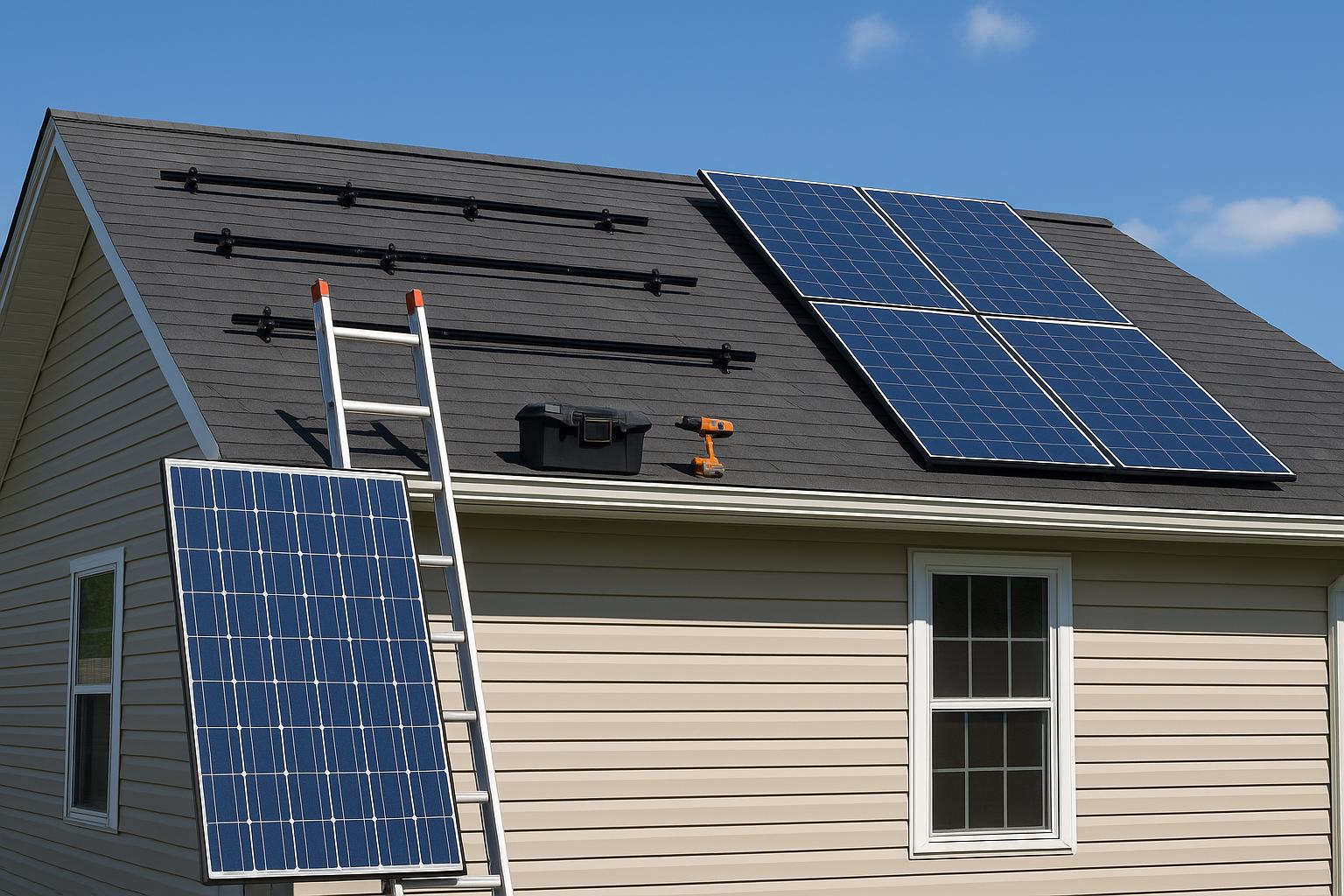
Investing in solar energy is one of the smartest decisions a homeowner can make. Solar panels help reduce utility bills, increase energy independence, and create long-term savings that continue year after year. For many families, going solar is about more than energy. It’s about investing in the future of their home.
But there’s one part of solar ownership that catches many homeowners off guard:
What happens when your roof needs work and the solar panels are in the way?
It’s a situation thousands of homeowners eventually face, especially as roofing systems age or severe weather causes unexpected damage. And when that moment comes, homeowners quickly realize that solar panel removal and reinstallation is far more involved than simply taking panels off the roof and putting them back later.
Done correctly, the process protects your home, preserves your solar investment, and ensures your system continues operating efficiently for years to come.
Done incorrectly, it can create roof leaks, electrical issues, reduced system performance, warranty problems, and expensive repairs.
That’s why understanding the removal and reinstallation process is so important before any work begins.
Whether you’re preparing for a roof replacement, planning renovations, or dealing with storm-related repairs, here’s what every homeowner should know about getting solar panels professionally removed and reinstalled.
Table of Contents
What Is Solar Panel Removal and Reinstallation?
Solar panel removal and reinstallation (sometimes called a “detach and reset”) is the process of safely removing a solar energy system from the roof and reinstalling it once construction or repairs are complete.
The process typically involves:
- Disconnecting the solar system safely
- Removing panels and mounting hardware
- Protecting and storing equipment
- Completing roof or structural work
- Reinstalling the system
- Testing and verifying performance
While the idea sounds simple, the work itself requires specialized knowledge of:
- Electrical systems
- Roofing systems
- Waterproofing
- Structural mounting
- Solar equipment calibration
Solar panels are directly integrated into your roof structure, which means every step must be handled carefully to avoid damage to both the home and the solar system.
Why Homeowners Need Solar Panels Removed
There are several reasons homeowners may need temporary solar panel removal.
Roof Replacement
This is by far the most common reason.
Roofs have a limited lifespan. Asphalt shingles, for example, often need replacement after 20–30 years depending on climate and material quality.
Solar panels, however, are designed to last 25 years or longer.
That means many homeowners eventually face a situation where the roof needs replacement before the solar system reaches the end of its lifespan.
Roofers cannot properly replace roofing materials with solar panels still attached. The panels and mounting system must be removed first so contractors can access the roof safely and completely.
Once roofing work is finished, the solar system is reinstalled.
Roof Repairs and Storm Damage
Major storms, hail, fallen branches, and water intrusion can damage roofing systems underneath solar arrays.
In these cases, temporary panel removal allows roofing professionals to:
- Inspect damage fully
- Replace compromised materials
- Repair leaks
- Reinforce structural components
Attempting to repair roofing issues without removing the solar system often leads to incomplete work and future problems.
Home Renovations
Some home improvement projects require roof access or structural modifications that interfere with existing solar systems.
Examples include:
- Adding skylights
- Expanding living space
- Building second-story additions
- Redesigning rooflines
- Installing ventilation systems
Temporary panel removal ensures contractors can complete renovations safely and correctly.
Solar System Upgrades
As solar technology improves, some homeowners choose to upgrade older systems during the removal process.
This may include:
- Replacing outdated panels
- Adding battery storage
- Installing newer inverters
- Expanding system capacity
- Improving panel layout
In many cases, removal and reinstallation provide the perfect opportunity to modernize the system while roof work is already underway.
Why Proper Removal and Reinstallation Matters
Many homeowners underestimate how technical this process really is.
Solar systems are not simply sitting on top of the roof. They are mounted directly into the roofing structure and connected to complex electrical systems.
Improper removal or reinstallation can lead to serious issues, including:
- Roof leaks
- Electrical hazards
- Broken panels
- Damaged wiring
- Reduced energy production
- Warranty complications
- Structural roof damage
The goal is not just to remove the system temporarily. The goal is to ensure the system functions properly and safely after it is reinstalled.
That requires expertise.
The Step-by-Step Solar Removal Process
Understanding how the process works can help homeowners feel more prepared and confident.
While every home is different, most professional solar panel removal projects follow a similar sequence.
Step 1: System Inspection and Assessment
Before any work begins, technicians inspect the system carefully.
This includes evaluating:
- Panel condition
- Wiring and electrical components
- Roof condition
- Mounting hardware
- Existing waterproofing
- Inverter performance
This inspection helps identify any issues that may need attention during reinstallation.
It also creates documentation of the system’s condition before removal begins.
Step 2: Safe System Shutdown
Solar panels generate electricity whenever sunlight reaches them, which means the system must be shut down properly before removal starts.
Technicians disconnect:
- Electrical circuits
- Inverters
- Monitoring systems
- Battery storage systems (if applicable)
Proper shutdown procedures are critical for worker safety and equipment protection.
Step 3: Removing the Panels and Hardware
Once the system is safely powered down, technicians begin carefully removing:
- Solar panels
- Racking systems
- Mounting hardware
- Electrical connectors
Every component is labeled and organized to ensure accurate reinstallation later.
This stage requires careful handling because solar panels are expensive, delicate pieces of equipment.
Step 4: Safe Storage of Equipment
Panels and hardware must be stored in a clean, dry, secure environment while roofing or construction work takes place.
Improper storage can result in:
- Cracked glass
- Scratched panels
- Damaged connectors
- Moisture exposure
- Lost hardware
Professional storage procedures protect the system during the project timeline.
Step 5: Roofing or Construction Work
With the solar system removed, roofing contractors can complete:
- Full roof replacement
- Leak repairs
- Structural upgrades
- Underlayment replacement
- Flashing improvements
This stage is especially important because roofing quality directly affects long-term solar system reliability.
Proper flashing and waterproofing around mounting points help prevent future leaks after reinstallation.
Step 6: Reinstalling the Solar System
Once the roof is complete, the solar system is reinstalled.
This includes:
- Reattaching mounting hardware
- Installing flashing correctly
- Reinstalling solar panels
- Restoring electrical connections
- Reconnecting monitoring systems
Experienced technicians ensure everything is aligned properly and mounted securely according to manufacturer guidelines.
Step 7: Final Testing and System Verification
After installation is complete, the system undergoes full testing to confirm proper operation.
Technicians verify:
- Electrical output
- Inverter functionality
- Monitoring system communication
- Panel performance
- Safety systems
This final step ensures the system is operating safely and efficiently before the project is considered complete.
How Long Does Solar Panel Removal Take?
Project timelines vary depending on:
- Roof size
- Number of panels
- Roof complexity
- Weather conditions
- Contractor schedules
- Permit requirements
In many residential projects:
- Removal takes 1–2 days
- Roofing work may take several days to a week
- Reinstallation takes another 1–2 days
However, permitting and scheduling delays can extend the overall timeline.
Homeowners should plan ahead and coordinate both roofing and solar contractors early in the process.
What Does Solar Panel Removal and Reinstallation Cost?
Cost is one of the first concerns homeowners have and understandably so.
The truth is that pricing varies significantly depending on the specifics of the project.
Factors affecting cost include:
- Number of panels
- Roof pitch and accessibility
- Roof complexity
- Equipment age
- Electrical system design
- Local labor rates
- Permit requirements
Most homeowners can expect costs to range anywhere from a few thousand dollars to significantly more for larger or more complicated systems.
While it may be tempting to choose the cheapest option available, cutting corners during solar removal can create far more expensive problems later.
Poor workmanship often leads to:
- Roof leaks
- Improper flashing
- Electrical issues
- System underperformance
- Warranty disputes
Investing in experienced professionals helps protect both the roof and the solar system long term.
Why DIY Solar Removal Is a Bad Idea
Some homeowners consider removing solar panels themselves to save money.
This is strongly discouraged.
Solar systems involve:
- Live electrical components
- Roofing penetrations
- Specialized mounting systems
- Heavy equipment
- Safety risks
DIY mistakes can result in:
- Electrical injury
- Roof damage
- Broken panels
- Improper reinstallation
- Voided warranties
Many solar manufacturers also require licensed professionals to perform removal and reinstallation work in order to maintain warranty coverage.
This is one project where professional expertise truly matters.
Can You Upgrade the System During Reinstallation?
Absolutely—and in many cases, it makes sense.
Since the system is already being removed, homeowners often take advantage of the opportunity to:
- Upgrade older panels
- Add battery backup systems
- Replace aging inverters
- Improve system layout
- Expand production capacity
This can improve long-term energy performance and modernize older systems at the same time.
If your solar system is several years old, discussing upgrade options during the removal process may be worthwhile.
Common Mistakes Homeowners Should Avoid
Over the years, several common mistakes continue appearing in removal and reinstallation projects.
Hiring the Cheapest Contractor
Low-cost providers often skip critical waterproofing and installation steps.
That can lead to long-term roof and system problems.
Failing to Coordinate Contractors
Roofers and solar installers must work together closely.
Poor communication creates delays, scheduling conflicts, and installation issues.
Ignoring Permits and Inspections
Skipping permits may save time initially but often causes compliance issues later.
Professional companies ensure the project follows local building requirements properly.
Waiting Too Long to Schedule
Solar removal projects require coordination and planning.
Waiting until the last minute can delay roof work significantly.
Choosing Inexperienced Installers
Solar systems are specialized equipment. Working with inexperienced contractors increases the risk of future problems dramatically.
The Long-Term Value of Doing It Right
Here’s the good news:
When solar panel removal and reinstallation are handled correctly, your system can continue performing efficiently for many years after the project is complete.
Professional workmanship protects:
- Your roof
- Your energy production
- Your warranties
- Your long-term investment
- Your peace of mind
The key is treating the process as an important part of solar ownership, not an afterthought.
Why Homeowners Trust Positive Energy Solutions
When it comes to protecting a solar investment, experience matters.
The Positive Energy Solutions team understands how to coordinate roofing and solar work carefully while protecting both the home and the solar system throughout the process.
Whether you need:
- A simple detach and reset
- Full roof replacement coordination
- System upgrades
- Performance evaluations
- Expert guidance on next steps
they provide the experience, transparency, and attention to detail homeowners need during complex solar projects.
Protect Your Home and Solar Investment the Right Way
Solar energy is a long-term investment, and protecting that investment requires proper planning when roof work or renovations become necessary.
If your roof needs attention, don’t leave your solar system to chance.
Work with experienced professionals who understand both roofing and solar systems and know how to complete the job safely and correctly from start to finish.
Reach out today to schedule a consultation and learn more about professional solar panel removal and reinstallation services.
Because at the end of the day, solar isn’t just about producing energy. It’s about protecting your home, maximizing your savings, and ensuring your investment continues working for you for decades to come.
