Table of Contents
Key Takeaways
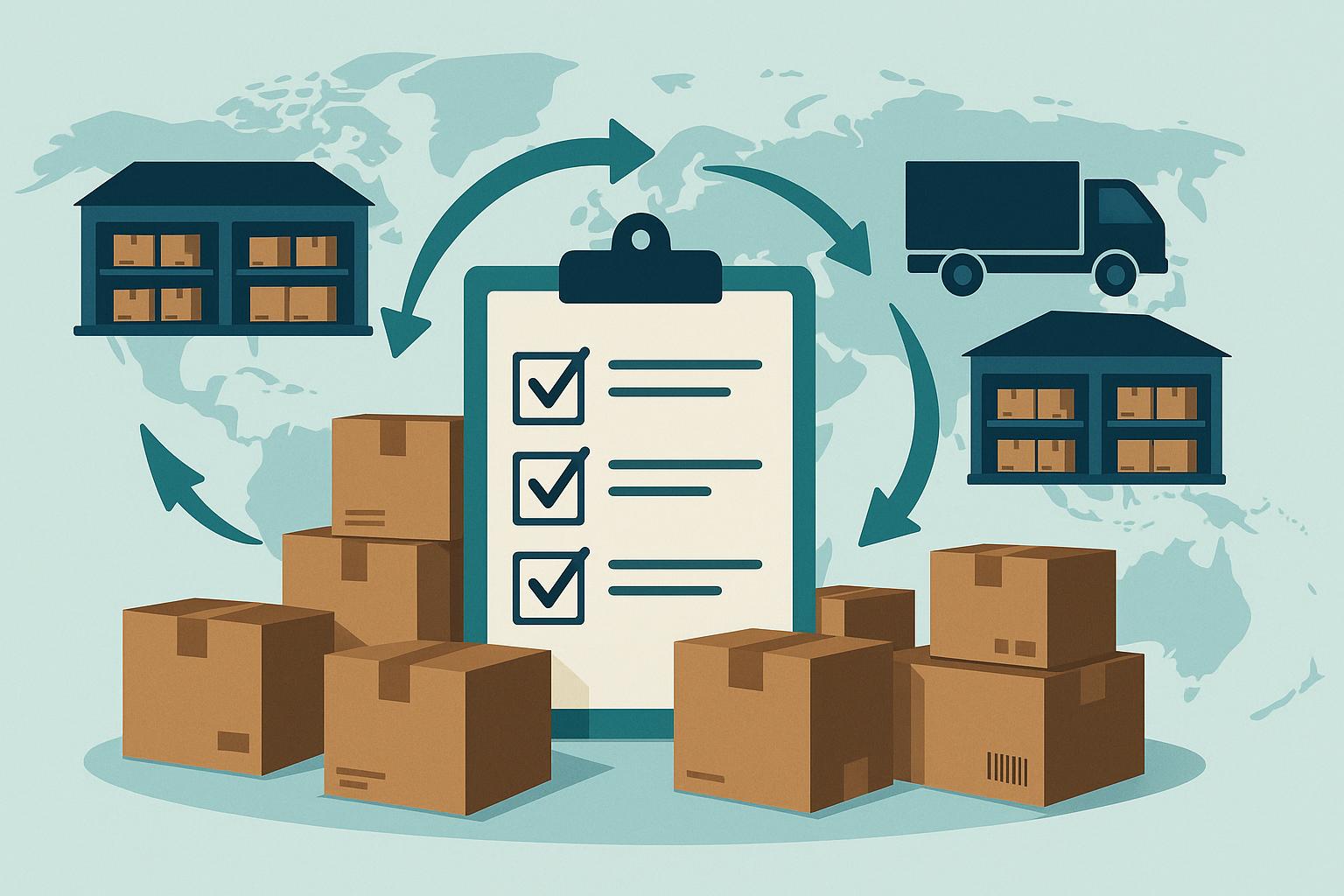
- Inventory redistribution involves transferring stock from surplus locations to areas with higher demand.
- Effective redistribution can reduce holding costs, improve service levels, and enhance overall supply chain efficiency.
- Technological solutions, such as AI-driven platforms, can streamline the redistribution process.
Table of Contents
- Understanding Inventory Redistribution
- Benefits of Effective Redistribution
- Steps to Implement Inventory Redistribution
- Technological Solutions for Inventory Management
- Challenges and How to Overcome Them
- Conclusion
Efficient inventory management is essential for businesses striving to balance customer demand and operational costs in today’s competitive landscape. As organizations grow, managing optimal stock levels across multiple warehouses or stores becomes significantly more challenging. Finding ways to handle this complexity is vital, and understanding the essentials of inventory redistribution and reorganization can make a crucial difference in streamlining supply chain operations and reducing financial risks. Inventory redistribution strategies focus on moving products from locations with surplus stock to those experiencing shortages. This strategic movement helps prevent both overstock and stockouts, directly impacting a company’s profitability and ability to meet customer expectations. Leveraging the right tools and processes can mean the difference between operational setbacks and supply chain success. As markets become more dynamic and consumer preferences shift rapidly, the ability to proactively adjust stock allocation enhances responsiveness and resilience. Businesses that master inventory redistribution enjoy a competitive advantage, better resource utilization, and improved service levels. Adopting this approach not only supports daily operational needs but also contributes to long-term sustainability and growth. Developing a tailored redistribution strategy, backed by technology and sound analytics, enables businesses to stay agile and cost-effective in turbulent markets. Exploring best practices, technological advancements, and real-world examples supports informed decision-making and continuous improvement.
Understanding Inventory Redistribution
Inventory redistribution is the process of proactively reallocating products from locations with excess inventory to locations where demand outpaces supply. These efforts help maintain optimal stock levels within a company’s distribution network, minimizing holding costs while maximizing product availability. By tracking and forecasting inventory needs, companies can manage shifting regional trends and seasonal demand variations. As a result, they can prevent costly scenarios such as out-of-stock events or having unsellable aged inventory. Effective redistribution also supports sustainability by reducing waste tied to obsolete inventory. Organizations that adopt these measures improve their ability to respond quickly to market shifts. Ultimately, a successful redistribution program depends on accurate data, efficient communication between teams, and strong alignment with organizational goals.
Benefits of Effective Redistribution
Companies that excel in inventory redistribution stand to gain a variety of competitive and financial advantages. Some of the most significant benefits include:
- Cost Reduction: Regularly reallocating excess inventory curtails storage expenses and reduces unused stock, freeing up capital for other operational needs.
- Improved Service Levels: With products always in the right place at the right time, customer satisfaction and retention increase as businesses avoid backorders and delivery delays.
- Enhanced Supply Chain Efficiency: Inventory is positioned closer to likely customers, resulting in faster fulfillment cycles and more predictable logistics costs.
These advantages not only improve day-to-day operations but also support better decision-making and planning, helping businesses future-proof against unexpected disruptions.
Steps to Implement Inventory Redistribution
Setting up an efficient redistribution process requires careful planning. The following steps form a comprehensive roadmap to help businesses achieve these goals:
- Audit Current Inventory: Systematically assess stock quantities at every location to pinpoint surplus and understocked items.
- Analyze Demand Patterns: Evaluate historical sales data and seasonal trends to understand which locations are likely to face higher or lower demand.
- Develop Redistribution Plans: Design stock transfer schedules that move excess goods to where they are needed, while considering transportation costs and lead times.
- Monitor and Adjust: Track key performance indicators and adjust redistribution strategies as demand patterns, market conditions, or organizational goals evolve.
Successful execution relies on integrating technology and maintaining open communication across the supply chain, operations, and sales teams.
Technological Solutions for Inventory Management
Modern inventory management systems have revolutionized how companies approach redistribution. Advanced AI and machine learning tools can analyze real-time sales data, predict demand spikes, and automate transfer recommendations. For example, Lowe’s has used cutting-edge inventory platforms to make smarter, data-driven decisions about stock placement in their stores, helping the company increase in-stock rates and reduce operational costs. These technological advancements reduce manual errors and speed up decision-making. In addition, platforms specifically designed for supply chain management can coordinate and optimize logistics for redistributing goods across multiple sites. This task becomes increasingly crucial as networks grow in complexity.
Challenges and How to Overcome Them
Despite the benefits, inventory redistribution can face obstacles. Some of the most common challenges include:
- Data Inaccuracy: Incomplete or inaccurate data can misguide redistribution decisions. Reliable inventory tracking and regular reconciliation are essential for success.
- Logistical Complexities: Coordinating movements of products between multiple sites often requires advanced routing software and skilled logistics teams to reduce the risk of bottlenecks or delays.
- Resistance to Change: Staff accustomed to traditional inventory practices may be reluctant to adopt new systems. Investing in training and change management helps build buy-in and confidence in new processes.
Proactive management of these challenges ensures smoother implementation and optimal performance over time.
Conclusion
Effective inventory redistribution is becoming increasingly important for growing businesses that aim to enhance customer service, reduce operational costs, and respond quickly to changing market demands. A well-planned redistribution strategy helps ensure products are available where they are needed most, minimizing stockouts, preventing excess inventory, and improving overall supply chain efficiency. By relying on accurate data, advanced inventory management technologies, and proven operational practices, organizations can make informed decisions that optimize stock levels and strengthen business resilience. Regular performance monitoring and continuous process improvements further support long-term success in an evolving marketplace. By learning from successful industry examples and embracing innovative solutions such as real-time analytics and automation, companies can build more agile, efficient supply chains, improve customer satisfaction, and position themselves for sustainable growth and a stronger competitive advantage in the years ahead.