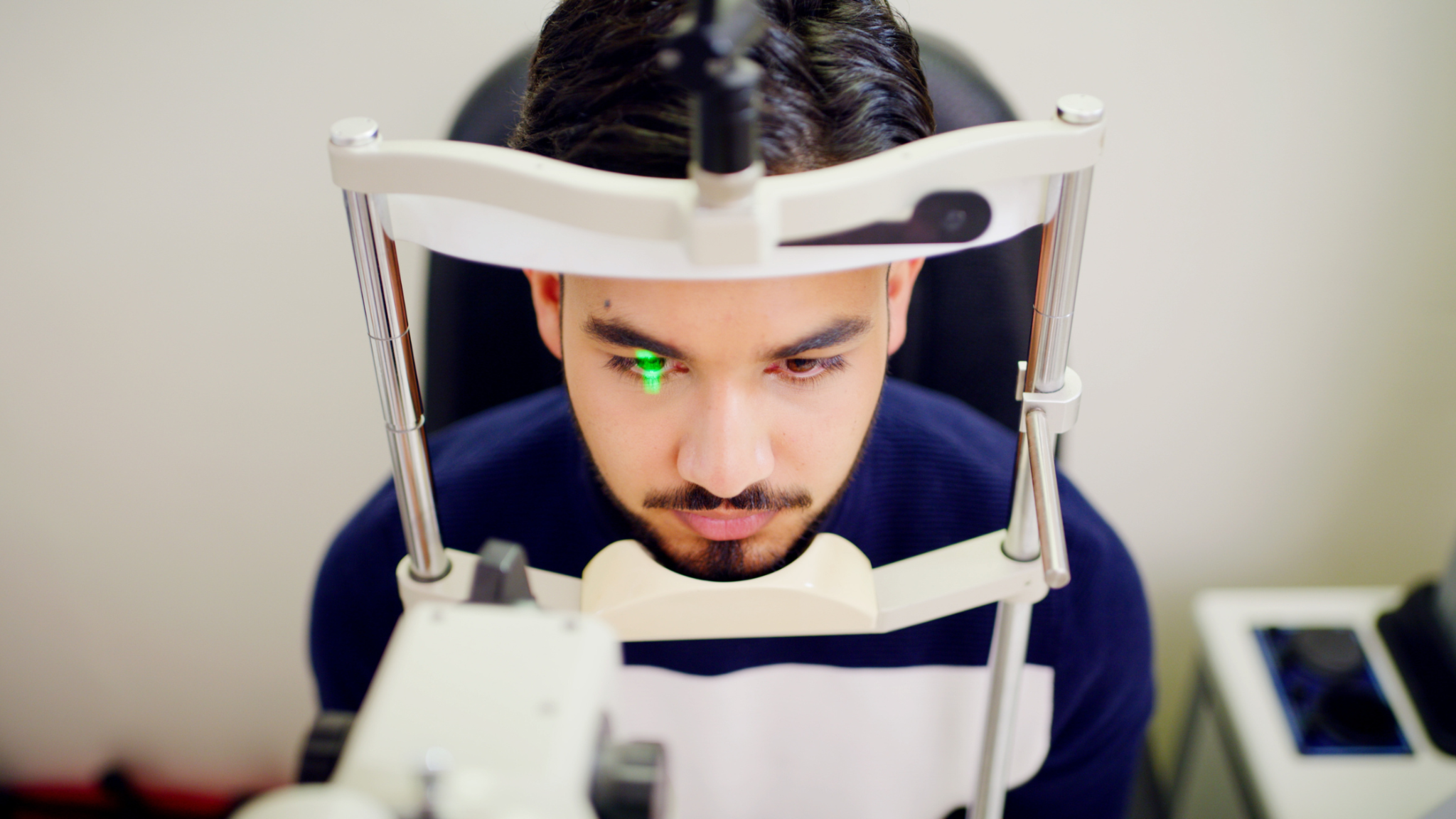
A routine eye appointment usually takes less time than many people fear. For most adults, a standard eye exam often falls somewhere around 30 to 60 minutes, although some visits take longer if dilation, contact lens fitting, imaging, or a medical concern becomes part of the appointment[1][2].
That is the answer most people want first, especially if they are trying to fit care into work, errands, school pickups, or a packed calendar. Sandra Vu, O.D., explains that if you are looking for an eye doctor in Raymore, the helpful truth is that an eye appointment is usually easier to plan for than people assume. Dr. Vu provides comprehensive eye care and serves patients in the greater Leawood and Raymore area, which makes that balance between efficiency and thoroughness especially relevant for local patients[3].
That said, not every eye appointment is identical. A quick routine check may stay closer to the shorter end. A more detailed visit may stretch out because the doctor is doing more than updating a prescription.
Table of Contents
What a standard eye exam timeline usually looks like
A standard eye exam timeline usually begins with check-in, a short review of symptoms and health history, and then a sequence of vision and eye-health tests. Dr. Vu states that most routine eye exams take about 30 minutes to 1 hour, although some can take longer if an issue is identified or a prescription change needs more work[1].
The American Academy of Ophthalmology gives a broader range and says a comprehensive eye exam often takes about 45 to 90 minutes, which reflects the fact that staff and doctors may each complete different parts of the visit[2].
Those ranges make sense together. A straightforward routine visit may fit comfortably into a shorter window. A more complete or medically involved visit may take longer because the doctor is collecting more information. One memorable statement belongs here. A routine eye appointment is usually not long because the office is slow. It is long enough because your eyes deserve more than a rushed guess.
Why does the visit include more than reading letters on a wall?
Many patients expect the visit to revolve around the eye chart, but that is only one part of the appointment. Reading letters checks visual acuity, which tells the doctor how clearly you see at that moment. Refraction helps estimate whether different lenses improve that vision. But a true routine eye exam also looks at how the eyes focus, how they move, how the pupils respond, how the front of the eye looks under magnification, and whether the back of the eye shows signs of disease[2][4].
A review of comprehensive eye examinations makes this point clearly. A full eye exam is meant not only to assess refractive error, but also to screen for and diagnose common eye diseases and reduce later health burden[4].
That is one reason the visit takes longer than a quick screening machine at a retail counter.
The eye chart assesses your visual acuity, while the rest of the exam reveals any underlying issues with your eyes.
What can stretch the appointment beyond the usual window
Several things can stretch the appointment beyond the usual window. Dilation is one of the most common reasons. The National Eye Institute says dilating the pupils helps the doctor better examine the retina, optic nerve, and blood vessels in the back of the eye, which is important because many eye diseases have no early warning signs[5].
Dilation takes time because the drops need time to work.
Other reasons include contact lens fitting, extra imaging, repeat measurements, discussion of new symptoms, or the discovery of something unexpected during the exam. If the doctor sees a possible retinal issue, glaucoma risk, unusual pressure finding, or diabetes-related change, the visit may need more time because more information is needed before the right recommendation can be made[5][6].
This is not wasted time. It is the time that turns uncertainty into a useful answer.
The appointment usually runs longer only when the doctor is trying to protect you from a bigger problem later. This highlights the importance of thorough examinations, as the extra time spent can be crucial for identifying potential issues that may not be immediately apparent. Prioritizing comprehensive evaluations ensures that any underlying conditions are detected early, leading to more effective treatment and better long-term outcomes for your eye health.
How advanced testing may add value and a few extra minutes
Advanced testing can add a few extra minutes, but it often adds much more than that in value. The practice facts you provided state that Discover Vision Centers uses OCT for retinal and macular evaluation and Optomap for ultra-widefield retinal imaging and disease detection[3]. Tests like these can help document subtle changes, look more closely at the retina, or support decisions about follow-up and referral.
Research on screening tests for visually significant eye disease supports the usefulness of structured imaging and diagnostic workflows in identifying important problems[7].
Additional work on eye disease screening programs also shows that integrated screening, imaging, and navigation services can be time-intensive but meaningful for comprehensive care[8].
That does not mean every patient needs every test. It means that when extra testing is recommended, those extra minutes often serve a clear purpose.
What your doctor is checking while you move from test to test
While you move from test to test, your doctor is building a layered picture of how your eyes are doing. Visual acuity helps assess clarity. Refraction estimates prescription changes. Pupil responses may reveal nerve function. Slit-lamp examination helps the doctor inspect the eyelids, cornea, tear film, conjunctiva, iris, and lens. Pressure testing may help flag glaucoma risk. Retinal evaluation and dilation help the doctor assess the optic nerve, blood vessels, and retinal tissue[2][5].
This layered approach matters because many eye problems are not obvious from symptoms alone. Reviews of common ocular diseases emphasize that glaucoma, cataract, and diabetic eye disease can progress with few or no early symptoms[6].
Research on diabetic eye screening likewise shows that regular exams remain essential for catching the disease before vision loss becomes harder to prevent[9].
The appointment may feel like just a series of steps, but each one helps the doctor check different aspects of your vision. From testing clarity to examining the retina, every part is crucial for ensuring your eye health and catching any potential issues early on.
How to know whether you should allow extra time
You should allow extra time if you expect dilation, if you wear contact lenses and need a fitting or update, if you have diabetes or glaucoma risk, or if you are coming in for symptoms that go beyond a routine prescription check. Discover Vision Centers’ routine eye exam page notes that some visits take longer if an issue is identified or if the prescription needs additional attention[1].
Their contact lens services also make clear that contact lens fitting is its own part of care, which can naturally lengthen the appointment[10].
It also helps to plan extra time if you have never been to that office before or if you know your history is complicated. The uploaded Perspectives and Attributes guide highlights real-life considerations such as time-off limitations, convenience needs, cost sensitivity, transportation, and schedule planning as important parts of patient decision-making. Those practical realities matter here too. A routine exam may be simple, but a little buffer in your schedule can make the whole experience feel calmer.
Why good eye care should feel thorough, not dragged out
Good eye care should feel thorough because the goal is not simply to move patients through as fast as possible. The goal is to help them leave with answers, reassurance, or a clear next step. Research on ophthalmology scheduling and clinic efficiency shows that clinics can improve patient flow without shortening the actual value of physician examination time[11].
That is an important distinction. Efficient care and thoughtful care are not opposites.
In fact, a systematic approach to workflow improvement in ophthalmology has been shown to reduce visit duration while still supporting necessary care[12].
What patients usually want is not the shortest possible visit. They want a visit that feels organized, respectful of time, and medically worthwhile.
The best eye appointment is not the one that ends fastest. It is the one that gives you confidence that nothing important was missed.
A routine eye appointment usually takes less time than people fear, often around 30 to 60 minutes, with longer visits usually tied to extra value such as dilation, advanced testing, or careful evaluation of symptoms. When you plan for about an hour and allow some flexibility, the visit is much easier to fit into the day. More importantly, that time is often what protects your vision for the long run.