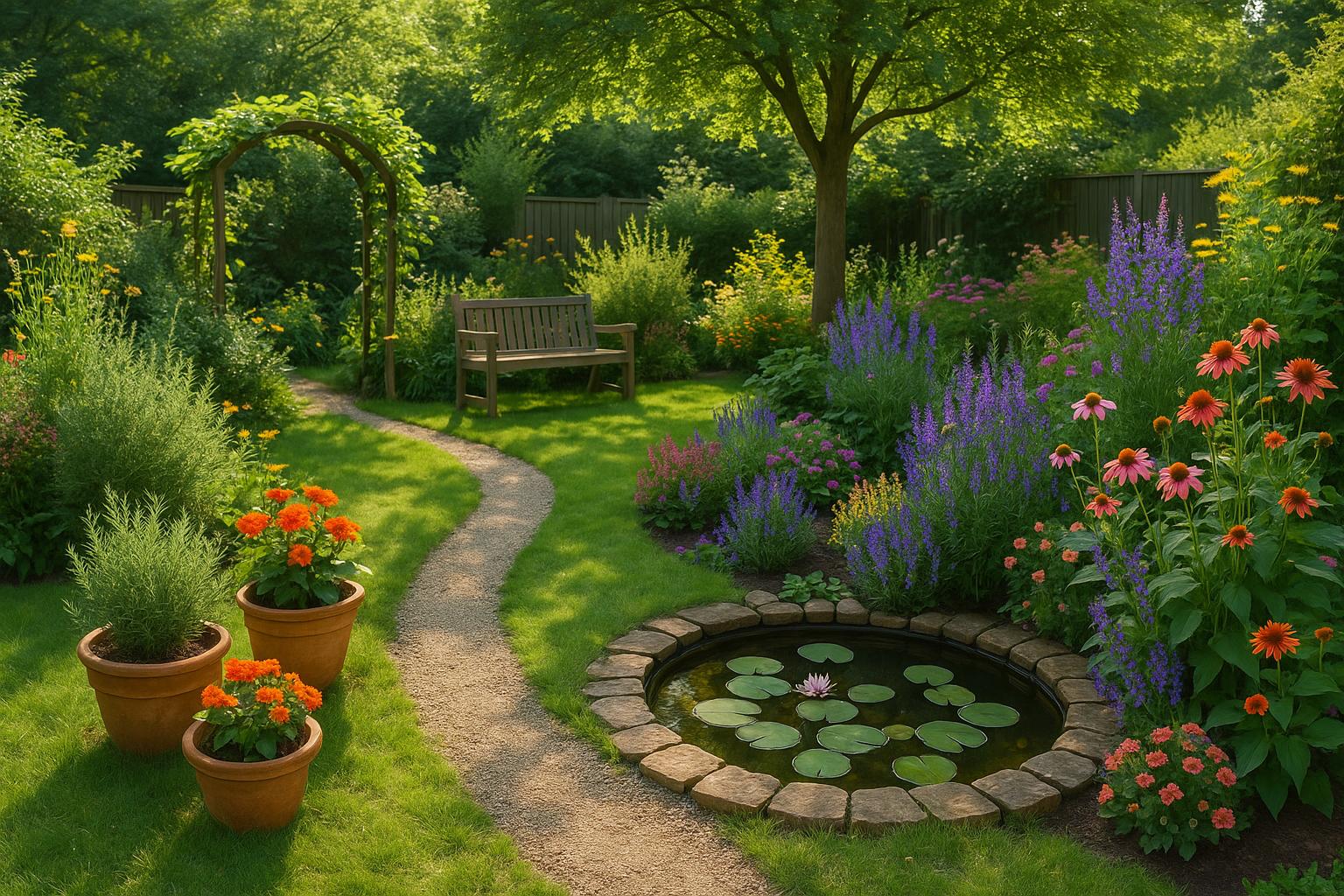
Gardening is a fulfilling and therapeutic hobby that allows you to connect with nature while adding beauty and functionality to your outdoor space. Whether you are an experienced gardener or just starting out, there are countless ways to make your garden more enjoyable, creative, and sustainable. From innovative planting ideas to unique design ideas, here are some fun and effective gardening tips that will inspire you to create your perfect garden retreat.
Even small garden improvements can have a noticeable impact when they are planned carefully. The best updates combine attractive design with practical benefits, helping the space feel more private, easier to maintain and more enjoyable for everyday use.
Table of Contents
1. Grow a Pollinator-Friendly Garden
One of the easiest ways to enhance the biodiversity of your garden is by planting pollinator-friendly flowers. Pollinators like bees, butterflies, and hummingbirds play a critical role in the health of our ecosystem, and by choosing the right plants, you can help support these vital creatures. Some of the best pollinator-friendly plants include lavender, sunflowers, coneflowers, and bee balm.
Planting a mix of nectar-rich flowers, as well as shrubs and trees that provide shelter and nesting sites, will create a haven for pollinators. Additionally, planting in clusters and varying the bloom times of your flowers will provide a continuous food source throughout the growing season.
2. Utilise Composite Decking for Raised Planter Beds
When it comes to adding structure to your garden, composite decking materials are a great choice for building durable, low-maintenance raised planter beds. Composite decking is made from a combination of wood fibres and recycled plastic, which makes it resistant to rot, mould, and insect damage – all common issues with traditional wood. Raised garden beds are perfect for growing vegetables, herbs, or flowers, as they provide better drainage and can help to improve soil quality.
By using composite decking to create these raised beds, you ensure that your garden structures will last for many years without the need for constant upkeep. Plus, composite materials come in a variety of colours and textures, allowing you to match the aesthetic of your outdoor space while creating functional planting areas.
3. Grow Your Own Vertical Garden
Vertical gardens are a perfect solution for small spaces or for gardeners looking to maximise their available area. You can create a stunning vertical garden using a variety of materials, such as wooden pallets, old ladders, or even repurposed plastic bottles. Install several vertical planters along a wall or fence and fill them with trailing plants, herbs, or flowering vines.
Not only will this provide a unique visual element, but it will also give you more room for planting without crowding your space. Vertical gardens are particularly popular for growing strawberries, peas, and climbing flowers like morning glories or sweet peas.
4. Create a Colourful Garden Path with Recycled Materials
Adding a path to your garden is both practical and decorative. You can create a charming garden path using a variety of recycled materials, which is not only eco-friendly but also gives your garden a unique look. For example, old bricks, stones, or broken tiles can be repurposed to create a rustic, one-of-a-kind path. If you are looking for something more contemporary, consider using gravel, pebbles, or even crushed concrete to build a smooth and durable walking path. You can also add some flair by lining your path with low-growing plants like thyme or creeping Jenny, which will spill over the edges and add a lush, green touch.
5. Install a Garden Fountain for Relaxing Ambiance
The gentle sound of running water can turn your garden into a tranquil oasis. Installing a garden fountain can create a peaceful ambiance while providing visual interest. Fountains come in many shapes and sizes, from small tabletop models to large, multi-tiered designs. Solar-powered fountains are an excellent option for environmentally conscious gardeners since they run on sunlight and do not require electricity. If space is limited, consider installing a wall-mounted fountain or a simple birdbath with a small water pump to create a calming water feature in your garden.
6. Build a Compost Bin to Improve Soil Health
Composting is one of the most sustainable gardening practices, and it is a great way to improve the health of your soil naturally. You can build a simple compost bin in your backyard using wood, wire mesh, or even repurposed materials like pallets. Composting kitchen scraps, yard waste, and organic matter helps reduce landfill waste while creating nutrient-rich compost that can be used to enrich your garden soil.
To speed up the decomposition process, make sure to turn the compost regularly and maintain a balanced mix of green (nitrogen-rich) and brown (carbon-rich) materials. Over time, you’ll see healthier plants, better soil structure, and reduced need for synthetic fertilisers.
7. Incorporate a Garden Shed for Storage and Style
If you have a lot of gardening tools, seeds, or supplies, investing in a stylish garden shed is an excellent way to keep everything organised. Garden sheds come in various designs, from traditional wooden structures to more modern, sleek styles. If you are looking to build your own shed, consider using composite materials like recycled plastic lumber or composite decking for a weather-resistant, low-maintenance option. These materials won’t warp or rot, making them perfect for outdoor storage. A garden shed can also double as a potting station or a place to relax and unwind, giving you more utility out of the space.
8. Plant a Butterfly and Pollinator Garden
A butterfly garden is not only beautiful but also beneficial for the environment. Butterflies and other pollinators are essential for the pollination of many crops, so planting species that attract these creatures is a great way to promote biodiversity. Plant a variety of nectar-rich flowers such as milkweed, butterfly bush, and lantana to attract butterflies, bees, and other insects. Add some host plants like parsley and fennel to provide food for butterfly larvae. Creating a butterfly garden can also be a fun and educational activity for children, as it gives them a hands-on experience in learning about the importance of pollinators.
9. Use Garden Lanterns for Evening Ambiance
As the sun sets, garden lanterns can provide the perfect lighting for your outdoor space. These lanterns come in a range of styles, from traditional lanterns that use candles to modern solar-powered LED versions. They can be placed along pathways, hung from trees, or clustered around a seating area for a magical, romantic atmosphere. If you are eco-conscious, solar lanterns are an excellent choice as they harness the sun’s energy during the day to provide soft, ambient light at night. Garden lanterns are not only practical but also create a cosy environment for evening gatherings, outdoor dinners, or simply enjoying the night sky.
10. Grow an Herb Garden in Containers
Herb gardening is one of the easiest and most rewarding gardening practices. You do not need a lot of space to grow herbs; container gardening allows you to grow a wide variety of herbs, even in small spaces like balconies, patios, or windowsills. Herbs such as basil, mint, parsley, and thyme thrive in containers and are perfect for culinary use. Consider placing your herb garden near your kitchen for easy access when cooking. Additionally, many herbs have beautiful flowers and fragrant foliage, adding both visual appeal and scent to your garden.
Final Thoughts
Creating a beautiful and functional outdoor space does not have to be complicated. By incorporating some of these fun gardening tips, you can enhance your garden’s appeal, create a peaceful retreat, and contribute to a more sustainable environment. Whether you are using composite decking to build raised beds, planting a pollinator-friendly garden, or creating a relaxing water feature, there are endless ways to make your garden a vibrant and enjoyable space for both you and the local wildlife. So grab your gardening tools, get creative, and let your garden become a reflection of your personality and passions!
For commercial gardens, hospitality venues and larger outdoor projects, the finishing details can be just as important as the main structure. traditional signage can add character to entrances, garden rooms or hospitality spaces; while digital signage can help commercial venues share opening times, menus, promotions or visitor information clearly; while efficient hand dryers can support cleaner, lower-maintenance washroom facilities in public-facing outdoor settings.
