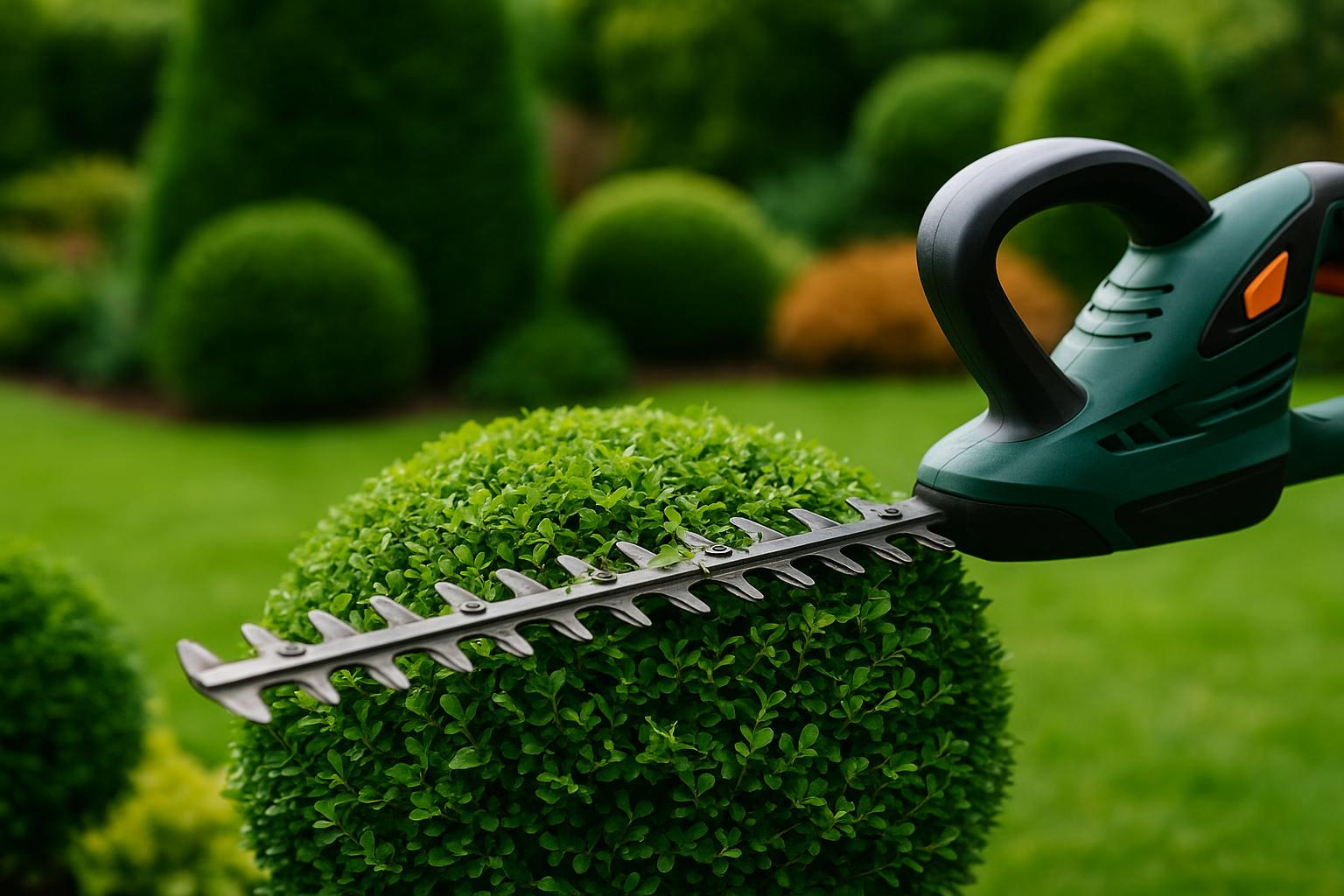
Well-maintained ornamental shrubs do far more than enhance curb appeal—they define garden spaces, frame walkways, provide privacy, and contribute to the overall health of a landscape. Yet many homeowners unintentionally damage their plants by trimming too aggressively or at the wrong time of year. Healthy growth depends as much on proper timing and technique as it does on regular maintenance.
A quality bush trimmer makes shaping hedges and ornamental plants faster and more consistent, but knowing when to use it is just as important as choosing the right tool. If you’re evaluating equipment for routine landscape maintenance, exploring a modern bush trimmer can help you compare blade lengths, cutting capacities, and ergonomic features that suit your property’s needs.
After maintaining residential and commercial landscapes for more than a decade, I’ve learned that the healthiest shrubs aren’t always those trimmed most often they’re the ones pruned with a clear understanding of their natural growth habits.
Table of Contents
Why Proper Trimming Is Essential for Healthy Ornamental Plants
Many homeowners view trimming as purely cosmetic, but it’s also one of the most important aspects of plant health.
Correct pruning helps:
- Encourage dense, balanced growth
- Remove damaged or diseased branches
- Improve airflow through the plant
- Increase sunlight penetration
- Maintain structural strength
- Preserve the plant’s natural shape
When performed correctly, trimming supports healthier growth while reducing the likelihood of pest infestations and fungal diseases.
According to guidance from the United States Department of Agriculture (USDA), proper pruning practices contribute to stronger plant development and long-term landscape health.
Understanding When Different Ornamental Plants Should Be Trimmed
Timing has a significant impact on how plants respond to pruning.
Spring-flowering shrubs such as lilac, azalea, and forsythia typically develop flower buds during the previous growing season. Trimming them too early in spring often removes the upcoming blooms.
Summer-flowering shrubs, on the other hand, generally tolerate late winter or early spring pruning because they bloom on new growth.
Evergreen hedges usually benefit from light shaping during active growing seasons rather than severe seasonal cutbacks.
Understanding a plant’s flowering cycle prevents unnecessary stress while preserving seasonal blooms.
How a Bush Trimmer Improves Precision and Consistency
Manual pruning shears remain valuable for detailed work, but larger shrubs and formal hedges benefit from powered trimming.
A bush trimmer offers several advantages:
- Uniform cutting across long hedge surfaces
- Faster maintenance of mature shrubs
- Reduced operator fatigue
- Cleaner shaping of ornamental borders
- Greater efficiency on large properties
Instead of making dozens of individual cuts, operators can create smooth, continuous trimming lines that produce a more refined appearance.
Choosing the Right Trimming Technique for Different Plant Shapes
Not every ornamental plant should be trimmed into a perfect rectangle.
Different landscaping styles require different approaches.
Formal Hedges
Maintain straight sides and a slightly narrower top to allow sunlight to reach lower branches.
Rounded Shrubs
Use gentle sweeping motions that follow the plant’s natural contours rather than creating sharp edges.
Privacy Screens
Focus on removing uneven growth while preserving overall density.
Decorative Topiary
Trim gradually using multiple light passes rather than attempting dramatic reshaping in one session.
Small corrections throughout the growing season generally produce healthier, more attractive plants than infrequent heavy pruning.
How Seasonal Growth Cycles Affect Trimming Success
Plants respond differently depending on the season.
During active growth, shrubs recover quickly from light trimming and often produce fuller branching afterward.
Late-season aggressive pruning, however, may stimulate tender new growth that becomes vulnerable to winter damage before hardening.
The American Horticultural Society encourages gardeners to match pruning schedules with each plant’s growth cycle rather than following a single maintenance calendar for every species.
Bush Trimmer vs. Hand Pruners: Knowing When Each Tool Works Best
Both tools play important roles in landscape maintenance.
| Bush Trimmer | Hand Pruners |
| Best for shaping hedges | Best for selective pruning |
| Covers large areas quickly | Removes individual branches precisely |
| Creates uniform surfaces | Preserves natural plant form |
| Ideal for routine maintenance | Better for detailed corrective work |
Many experienced landscapers rely on both tools during the same maintenance session.
Practical Tips for Achieving Professional-Looking Results
Professional-quality trimming comes from consistency rather than speed.
For better results:
- Trim during dry weather.
- Remove dead branches before shaping.
- Work from the bottom upward.
- Step back periodically to evaluate symmetry.
- Use multiple light passes instead of one aggressive cut.
- Clean blades between different plant species.
These habits improve both plant health and the finished appearance.
Common Mistakes That Can Damage Ornamental Plants
Many landscape problems develop because of poor trimming practices rather than poor plant health.
Avoid these common mistakes:
- Trimming flowering shrubs before blooming.
- Removing too much foliage at once.
- Ignoring each plant’s natural growth pattern.
- Using dull blades that tear branches.
- Trimming during periods of extreme heat or drought.
- Creating perfectly vertical hedge sides that shade lower growth.
Correcting these habits often leads to healthier, fuller plants within a single growing season.
How to Keep Your Bush Trimmer Performing at Its Best
Proper tool maintenance improves cutting quality while extending equipment life.
Routine care includes:
- Cleaning blades after every use.
- Inspecting for damaged teeth.
- Sharpening blades when cutting becomes uneven.
- Lubricating moving components.
- Storing equipment in a dry location.
The Occupational Safety and Health Administration (OSHA) also recommends inspecting outdoor power equipment before operation and wearing appropriate eye and hearing protection during trimming tasks.
A Simple Decision Guide for Trimming Ornamental Plants
Before reaching for your bush trimmer, ask yourself these questions:
- Is the plant actively flowering?
- Am I shaping the plant or removing damaged growth?
- Does the shrub naturally tolerate formal pruning?
- Are weather conditions suitable for trimming?
- Would selective hand pruning produce better results?
Answering these questions helps prevent unnecessary stress while encouraging healthier long-term growth.
Frequently Asked Questions
When is the best time to trim ornamental shrubs?
It depends on the species. Spring-flowering shrubs are generally trimmed after blooming, while many summer-flowering shrubs respond well to late winter or early spring pruning.
Can a bush trimmer damage ornamental plants?
Yes, if used aggressively or at the wrong time of year. Proper technique and seasonal timing are essential for maintaining healthy growth.
How often should hedges be trimmed?
Most ornamental hedges benefit from light maintenance two to four times during the growing season, depending on growth rate and desired appearance.
Should I use a bush trimmer for every shrub?
No. Delicate ornamental plants or shrubs requiring selective pruning are often better maintained with hand pruners.
Why do hedge tops become thin over time?
Vertical hedge sides often shade lower branches. A slightly tapered shape allows sunlight to reach the entire plant, encouraging fuller growth.
Final Thoughts: Healthy Landscaping Starts with Thoughtful Trimming
Beautiful ornamental landscapes aren’t created through frequent trimming alone—they result from understanding how plants grow and responding with the right technique at the right time.
A bush trimmer can dramatically improve efficiency and produce cleaner, more consistent results, but its greatest value comes when paired with sound horticultural practices. By respecting seasonal growth cycles, using appropriate trimming methods, and avoiding common maintenance mistakes, homeowners can enjoy healthier shrubs, stronger hedges, and landscapes that remain attractive throughout the year.