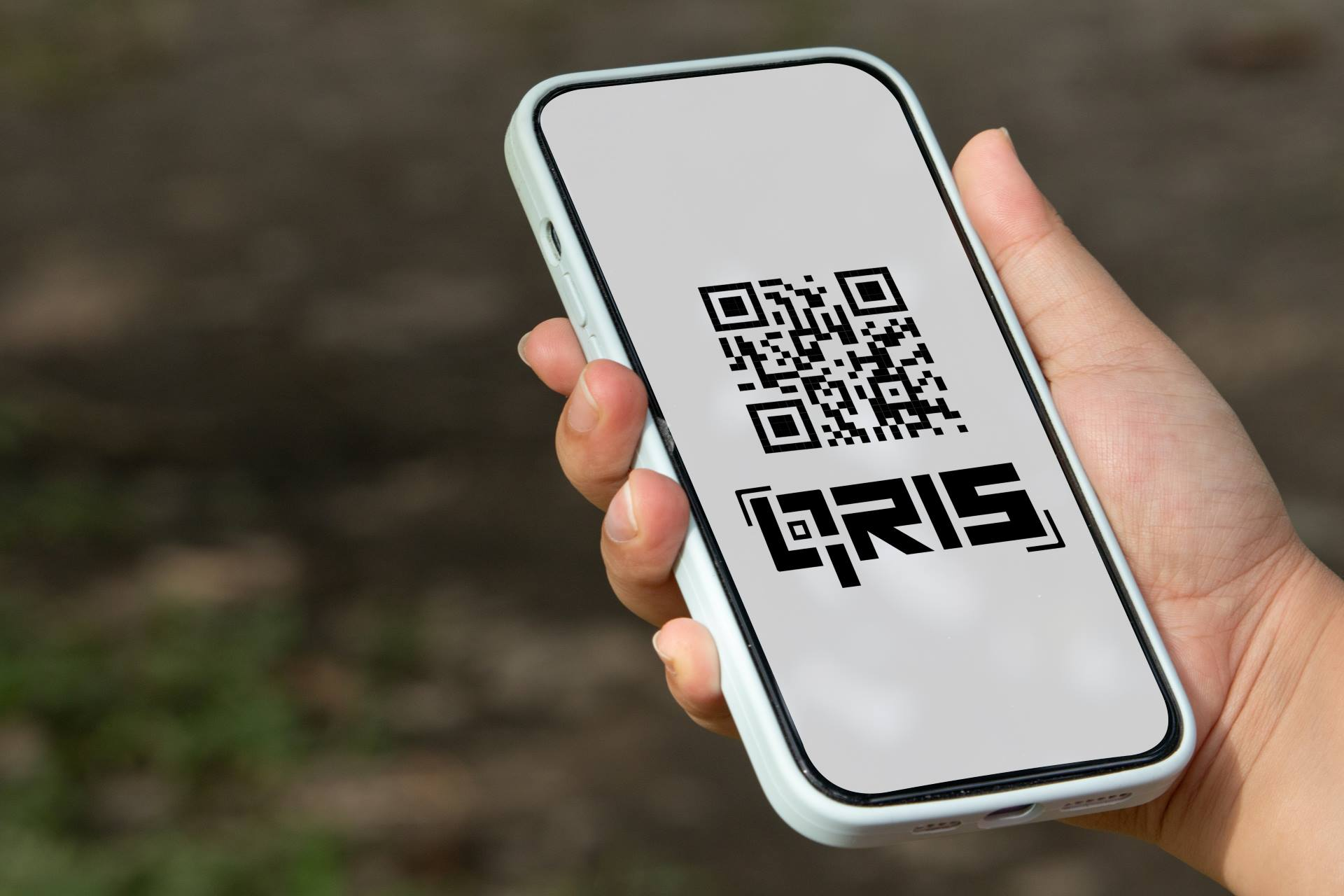
A single digital touchpoint has reshaped daily commerce across Indonesia’s 17,000 islands. Not long ago, driving a sprawling cash-reliant nation toward comprehensive financial inclusion felt like an insurmountable logistical hurdle. Millions of citizens lived miles from physical bank mahjong gacor branches, and small business owners operated completely outside the formal financial ecosystem.
The introduction of QRIS (Quick Response Code Indonesian Standard) changed everything.
What began as a foundational initiative by Bank Indonesia to consolidate fragmented, competing digital wallets has rapidly evolved into a major economic catalyst. As the market expands, QRIS is tracking toward a massive target of 60 million active users and 45 million participating merchants. This single, pixelated matrix has transformed from a checkout shortcut into the cornerstone of a fast-growing digital economy.
Table of Contents
Deconstructing the Search Intent: Embracing a Cashless Ecosystem
When analyzing the search trends surrounding the digital transformation powered by QRIS, the primary intent shifts away from basic “how-to” mechanics. Instead, users are exploring systemic economic growth, financial integration, and technological evolution.
Business owners, fintech innovators, and everyday consumers want to understand how unifying payment channels unlocks broader financial services, bridges macro-economic gaps, and positions the nation as a prominent leader in Southeast Asian fintech.
1. Bridging the Unbanked Gap: True Financial Inclusion
Historically, traditional banking systems required brick-and-mortar branches, extensive physical credit assessments, and costly infrastructure. This framework inadvertently locked out millions of informal workers, micro-entrepreneurs, and rural communities.
The Low-Barrier Digital Onboarding Ramp
QRIS bypassed legacy bottlenecks by removing expensive hardware entry barriers. A local merchant does not need to apply for or rent an expensive Electronic Data Capture (EDC) card-swiping terminal.
By utilizing just a smartphone and a printed, standardized matrix code, any warung owner or street-side merchant gains immediate entry into the formal financial sector. For consumers, any standard e-wallet or mobile banking app serves as a secure gateway, eliminating the historic requirement of maintaining a traditional checking account.
Transaction Records as Alternative Credit Scoring
Perhaps the most transformative byproduct of the QRIS boom is the creation of a clean digital footprint. For decades, micro, small, and medium enterprises (MSMEs/UMKM) struggled to secure formal business loans because they lacked paper-based financial statements.
Today, every small transaction processed via QRIS populates an immutable, transparent ledger. Financial institutions leverage these real-time transaction volumes as reliable alternative credit scoring data. This visibility allows local merchants to safely access formal credit facilities to scale their businesses.
2. Breaking Boundaries: The Rise of Cross-Border Payment Networks
The strategic evolution of QRIS deposit 5k extends far beyond domestic city centers. In alignment with Bank Indonesia’s macro payment blueprints, QRIS has broken down international barriers to build a interconnected regional ecosystem.
[Domestic QRIS Framework] ──> Interoperability Standard ──> Regional Bilateral Agreements ──> Seamless Cross-Border ScansEliminating Currency Exchange Friction
Thanks to collaborative agreements with neighboring central banks, cross-border QRIS corridors are fully operational in nations like Thailand, Malaysia, Singapore, and Japan, with expanding corridors integrating markets like South Korea and China.
Indonesian travelers abroad can bypass traditional money changers completely. By scanning a local regional barcode using their domestic banking application or e-wallet, the underlying architecture calculates real-time local currency exchanges seamlessly behind the scenes. This direct local currency settlement reduces a heavy reliance on global intermediary currencies, reinforcing macroeconomic stability.
3. The Micro-Gaming and Casual Media Boom
A frictionless payment gateway does more than just secure coffee purchases; it alters consumer behavior online. Because standard QRIS payments don’t penalize accounts with high, flat administrative transaction fees, it serves as the ultimate rail for online micro-deposits.
Consumers can quickly execute instant transfers as small as Rp 5.000 or Rp 10.000 safely on mobile devices. This micro-transaction landscape has directly fueled rapid growth across casual digital sectors:
- Casual Gaming & Slots: Players fund their hobbies with spare pocket change instantly through a simple mobile screenshot scan.
- Indie Digital Publishing: Readers unlock single web novel chapters or localized comic issues for micro-fees seamlessly.
- Micro-Streaming Subscriptions: Users access content via low-barrier pay-as-you-go or daily access options.
Data Breakdown: The Scale of Indonesia’s Digital Shift
To understand the rapid momentum of this transformation, consider the core milestones reached within the payment ecosystem:
| Economic Metric | Performance Benchmark / Current Trajectory |
| Total Target Users | Projected to surpass 60 million users |
| Active Merchant Reach | Target expanding to 45 million participating merchants |
| MSME Composition | Over 93% of participating merchants represent local MSMEs |
| Core Value Driver | Standard user transactions incur Rp 0 access fees |
| Technological Upgrades | Expansion of contact-free QRIS Tap infrastructure |
Actionable Security Guidelines for the Digital Age
As digital integration deepens across daily routines, maintaining safe mobile practices ensures that your financial data remains fully locked and protected.
Verify the Recipient Layout Every Time
Before authorizing any digital transfer by entering your secure account PIN, your payment application will display the officially registered merchant identity. Make it a strict habit to double-check that the text string displayed on your screen matches the business or platform you are intentionally paying.
Protect Your Device Biometrics
Your mobile banking apps and e-wallets are heavily encrypted, but they rely on your phone’s core access security. Ensure your smartphone uses robust biometrics (like secure facial recognition or fingerprints) coupled with a complex passcode. Never share your application authorization PINs or transactional OTP codes with anyone.
Utilize Official Merchant App Portals
If you are initiating a transaction on a desktop screen or a secondary device, only scan codes generated by verified, official platforms. Avoid clicking random payment links sent through unverified third-party messaging channels.
Frequently Asked Questions (FAQ)
What exactly is QRIS Tap?
QRIS Tap is a modern, contactless payment evolution launched to supplement traditional optical camera scanning. It utilizes Near Field Communication (NFC) protocols, allowing users to simply tap their smartphones against a merchant terminal to execute instant, secure financial clearing without activating their cameras.
Why does Bank Indonesia place a transaction cap on QRIS?
To minimize systemic risks and safeguard consumers against fraudulent activities, the standard transaction cap for a single QRIS payment is set at Rp 10 million. This ceiling is optimized to easily accommodate daily retail purchases while preserving robust system-wide oversight.
Does the system support automated business taxes?
Yes. Digitalized data integration allows the clean ledger histories generated through verified merchant transactions to align smoothly with modern electronic tax frameworks. This connectivity helps local companies automate their compliance, streamlining standard business administrative workflows.
Conclusion & Key Takeaways
The systemic transformation driven by QRIS serves as a powerful case study for effective digital evolution. By designing a highly unified, barrier-free system that prioritizes ease-of-use and financial interoperability, the nation has turned an abstract technology into an essential daily tool for millions.
As international corridors expand and advanced features like NFC-driven contactless payments mature, QRIS will undoubtedly continue to anchor long-term economic growth.
Summary Checklist for the Modern Digital Citizen:
- Total Access Control: Leverage existing e-wallets or banking apps to complete fast transactions with zero extra configuration.
- Fuel Local Progress: Support local businesses by utilizing a framework that provides them with verifiable data to qualify for formal bank loans.
- Travel Smart: Take advantage of cross-border payment linkages to pay directly using domestic apps while traveling regionally.
- Prioritize Safety: Always verify recipient names on your screen before entering your secure PIN to keep your capital safe.
