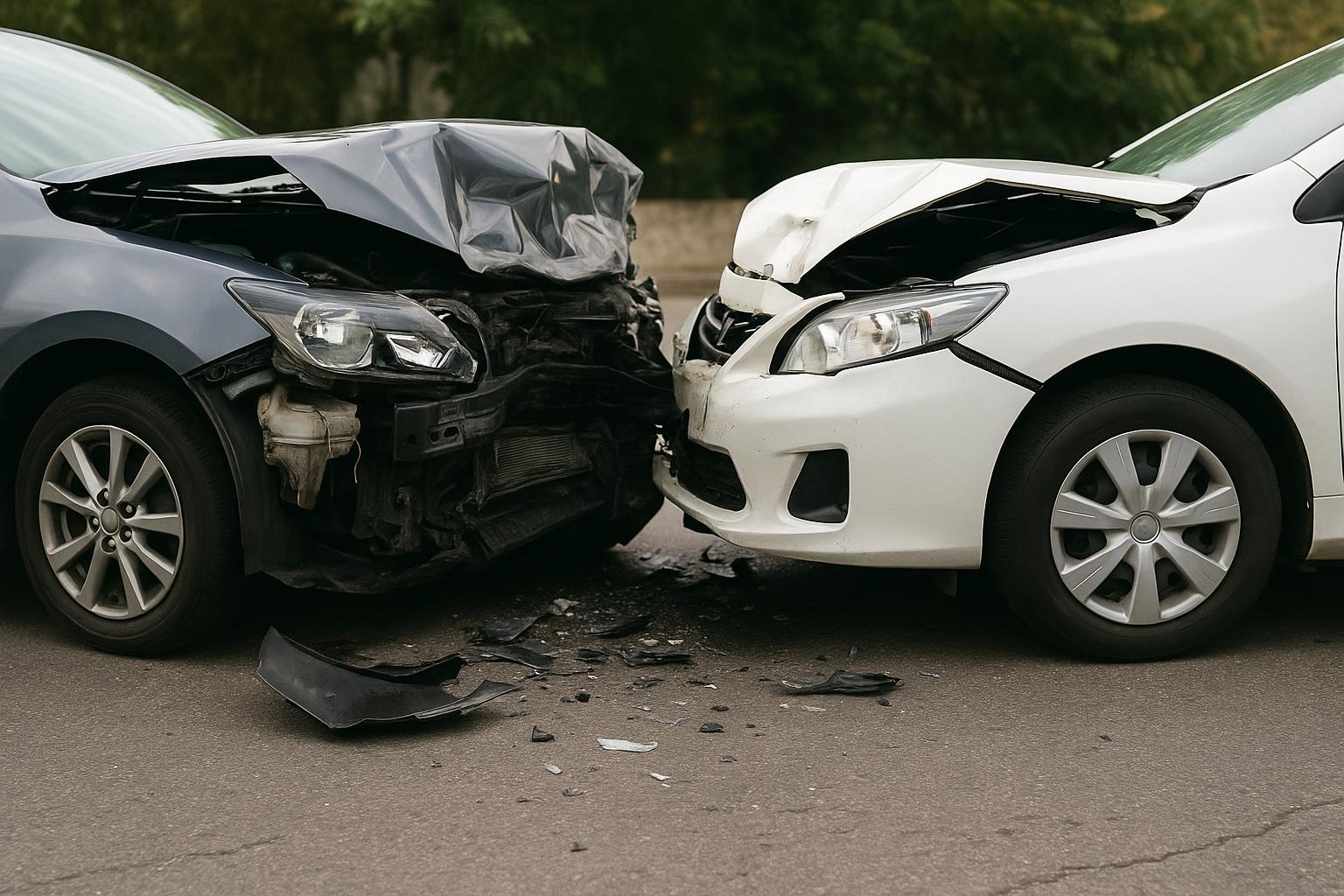
A shopping cart in the back seat. Coffee bleeding into the cupholder. Hazard lights blinking like they’re trying to send Morse code to the universe.
And somewhere behind you, a stranger is already saying the sentence nobody wants to hear:
“I didn’t even see you.”
Car crashes happen fast. Weirdly fast. One second you’re thinking about dinner plans or whether that dashboard noise is finally serious, and the next you’re standing on the shoulder of I-95 trying to remember where your insurance card actually is.
The aftermath is chaotic by design. That’s why knowing what to do immediately after a collision matters more than people think. A seasoned Stratford, CT accident attorney will tell you the same thing: the first hour after a crash can quietly shape everything that follows, medical claims, insurance disputes, even whether you’re blamed for something that wasn’t your fault.
So let’s talk about it.
Table of Contents
First: Don’t Try to “Walk It Off” Like It’s a Football Game
People do this constantly.
They step out of the car, adrenaline pumping, and announce, “I’m fine.” Meanwhile their bumper is folded like an accordion and their neck is beginning a slow protest that’ll fully arrive tomorrow morning around 6:12 a.m.
Here’s the thing: your body lies to you after a crash. Adrenaline is excellent at masking pain temporarily. According to the Centers for Disease Control and Prevention, symptoms tied to concussions and soft tissue injuries often appear hours later.
So before anything else:
- Move to safety if possible
- Check passengers
- Call 911 if injuries are involved
- Stay calm-ish (or at least pretend convincingly)
You do not get bonus points for acting unfazed.
Call the Police, Even If the Crash Seems “Minor”
Especially if the other driver starts saying things like:
“Can we just handle this ourselves?”
Translation? Sometimes harmless. Sometimes not.
A police report creates an official timeline. It documents road conditions, witness accounts, visible damage, and initial observations from responding officers. That paperwork becomes incredibly valuable later if insurance companies start performing their favorite hobby: disagreeing about everything.
When speaking to police, keep it factual. Tight. Clean.
Not:
“I may have looked down for one second because my GPS was—”
No. Resist the urge to narrate your life story.
Stick to what happened.
Your Phone Is Now Evidence Collection Equipment
This is not the moment for artistic photography, but documentation matters.
Take photos of:
- Vehicle damage
- License plates
- Intersections and traffic signs
- Skid marks
- Weather conditions
- Any visible injuries
And yes, photograph the other vehicle even if the driver suddenly becomes weirdly eager to leave.
Memory gets unreliable after stress. Photos don’t.
A good Stratford, CT accident attorney will almost always prefer too many photos over not enough.
Medical Care Matters More Than Toughness
There’s a strange cultural instinct people have after accidents, almost a pride in delaying treatment.
“I’ll see how I feel tomorrow.”
Tomorrow arrives. Your back locks up. Your shoulder feels like concrete. Now the insurance company is asking why you waited.
Medical records create a timeline connecting your injuries to the crash. Even an urgent care visit the same day helps establish that connection early.
Also worth noting: some injuries genuinely worsen over time. Whiplash is notorious for this. So are mild traumatic brain injuries.
The body keeps score, even when you try not to.
Be Careful With Insurance Adjusters
Insurance companies often sound friendly because, well, they employ people who are trained to sound friendly.
That does not mean they’re neutral.
After reporting the accident, keep conversations brief and factual. Avoid speculation. Avoid recorded statements until you fully understand your injuries and circumstances.
And definitely avoid phrases like:
- “I’m probably okay”
- “It was partly my fault”
- “I didn’t see them either”
Tiny comments can grow teeth later.
Please Don’t Post About the Crash Online
This one feels obvious until people ignore it completely.
You’d be amazed how many accident claims get complicated because someone posted:
- gym selfies
- vacation photos
- “I’m okay everybody lol”
- videos dancing at a wedding three days later
Insurance investigators look at social media. Frequently.
That harmless Instagram story? Suddenly it’s “evidence.”
Silence is underrated.
The Part Nobody Thinks About Until It Happens
A car crash interrupts life in deeply annoying ways. Medical appointments. Rental cars. Missed work. Calls from insurers at inconvenient hours. Paperwork multiplying on the kitchen counter like rabbits.
And when injuries are serious, the pressure builds fast.
That’s why many people eventually speak with a Stratford, CT accident attorney, not because they’re eager for a lawsuit, but because they want clarity. Someone who understands the process. Someone who can tell the difference between a reasonable settlement and a lowball offer wrapped in polite language.
Because after the tow trucks leave and the adrenaline fades, the real aftermath begins.
