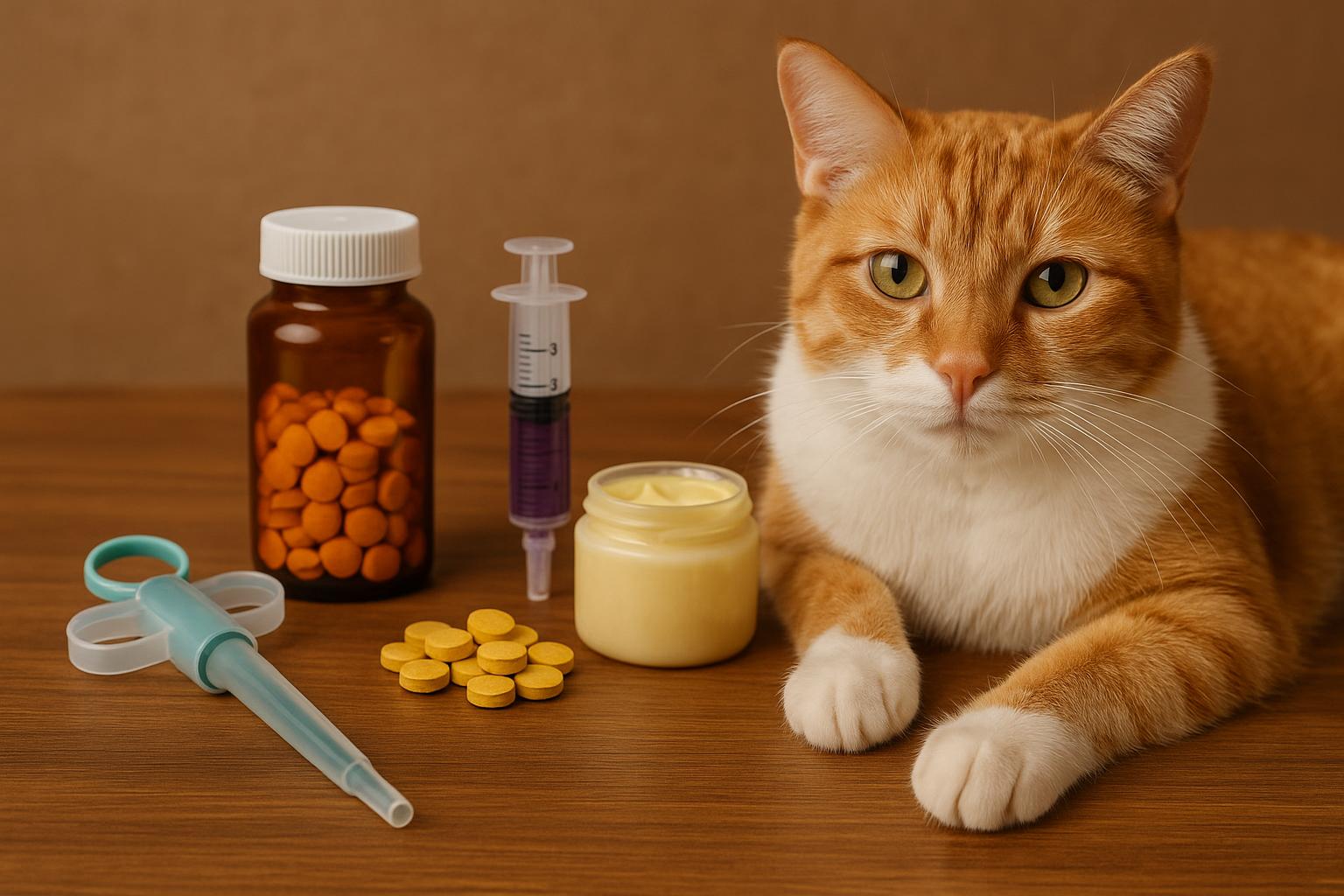
Anyone who has tried to give medicine to a pet knows that the prescription is only part of the challenge. A dog may spit out a tablet. A cat may refuse a bitter liquid. A small animal may require a dose not available in a standard product. Even when a medication is appropriate, the form, flavor, or strength may make it difficult for the owner to give consistently.
That is where veterinary compounding can play an important role. Under a veterinarian’s direction, a compounding pharmacy may prepare a customized medication that better fits an animal’s needs when a commercially available option is not suitable.
Pets Do Not Always Fit Standard Dosage Forms
Human medication already requires personalization, but animal care can be even more varied. A Chihuahua, a Labrador, a cat, a rabbit, and a horse may all have very different medication needs. Size, species, condition, temperament, and route of administration can affect whether a medication is realistic to give at home.
A standard tablet may be too large. A liquid may taste unpleasant. A dose may need to be adjusted for a very small or very large patient. In some cases, a pet may need medication in a form that is easier to administer, such as a flavored liquid, capsule, topical preparation, or chewable.
The FDA explains that animal drug compounding involves combining, mixing, or altering ingredients to create medication tailored to the needs of an individual animal or small group of animals.
Better Palatability Can Support Better Follow-Through
A medication cannot help if the pet will not take it. Owners may skip doses, shorten treatment, or struggle daily when a medication is difficult to give. This is especially common with cats, anxious pets, senior animals, and pets that need long-term therapy.
Compounding may help by changing the flavor or form of the medication when appropriate. For example, a veterinarian may request a pet-friendly flavor or an alternate dosage form to improve adherence.
This does not mean every medication should be compounded. It means the veterinarian and pharmacist can work together when the standard option creates a practical barrier to care.
Veterinary Compounding Requires Professional Oversight
Compounded animal medications should be prepared based on a veterinarian’s prescription. The veterinarian evaluates the animal, determines the medical need, and decides whether a compounded medication is appropriate. The pharmacist prepares the medication according to the prescription and applicable pharmacy standards.
The American Veterinary Medical Association notes that compounding may be necessary when no approved drug can adequately treat a patient, but it should be used within a valid veterinarian-client-patient relationship.
Pet owners should never guess at medication changes on their own. Changing dose, form, or frequency without veterinary guidance can be unsafe.
Safety Questions Are Worth Asking
Compounded animal drugs can meet important needs, but they are different from FDA-approved medications. The FDA notes that compounded animal drugs are not FDA-approved, meaning the agency has not reviewed them for safety, effectiveness, manufacturing quality, labeling, or packaging before use.
That makes communication especially important. Pet owners should ask practical questions before starting a compounded medication:
- What condition is this medication treating?
- Why is a compounded form recommended?
- How should it be given?
- What should I do if my pet misses a dose?
- How should it be stored?
- How long is it good for?
- What side effects should I watch for?
- When should I contact the veterinarian?
Clear instructions help reduce dosing mistakes and support safer care at home.
Compounding Can Help More Than Dogs and Cats
Veterinary compounding may be useful for many types of animals. Dogs and cats are common examples, but veterinarians may also need to prepare customized medications for birds, rabbits, reptiles, horses, zoo animals, and other species.
Different species metabolize medications differently, so a drug that is safe for one animal may not be safe for another. This is another reason compounded medications should only be used under veterinary direction.
A compounding pharmacy with veterinary experience can help prepare medications in forms that match the prescription and are practical for the animal’s needs.
Storage and Dosing Details Matter
Pet medications can vary in how they should be stored and measured. Some may need refrigeration. Others may need shaking before use. Liquids may require an oral syringe for accurate dosing. Topical preparations may require gloves or careful application instructions.
Owners should also keep medications away from children and other pets. A flavored medication may be more appealing to animals, which makes safe storage even more important.
If a pet vomits, refuses the medication, worsens, or shows unusual symptoms, the owner should contact the veterinarian promptly.
Personalized Medication Can Make Care Less Stressful
Caring for a sick pet is already emotional. Medication struggles can add frustration for both the owner and the animal. When a compounded medication is appropriate, it may make treatment easier to follow and less stressful at home.
Pet owners interested in veterinary compounding should work closely with their veterinarian and a knowledgeable compounding pharmacy to make sure the medication is prepared, used, and monitored properly.
Better Pet Care Starts With Better Collaboration
Veterinary medication works best when the veterinarian, pharmacist, and pet owner are all aligned. The veterinarian provides the diagnosis and treatment plan. The pharmacy prepares the medication as prescribed. The owner gives the medication and reports how the pet responds.
When standard medications do not meet an animal’s needs, compounding can offer a more tailored approach. With professional guidance and careful use, it can help pets receive treatment in a safer, clearer, and easier-to-manage form.
About the contributor
Thornhill’s Pharmacy provides prescription filling, custom compounding, veterinary compounding, consultations, medication therapy management, immunizations, and personalized pharmacy services in the Lubbock, TX area. Their team works with patients, pet owners, and providers to create practical medication solutions when standard options do not fully fit individual needs.